-
Table of Contents
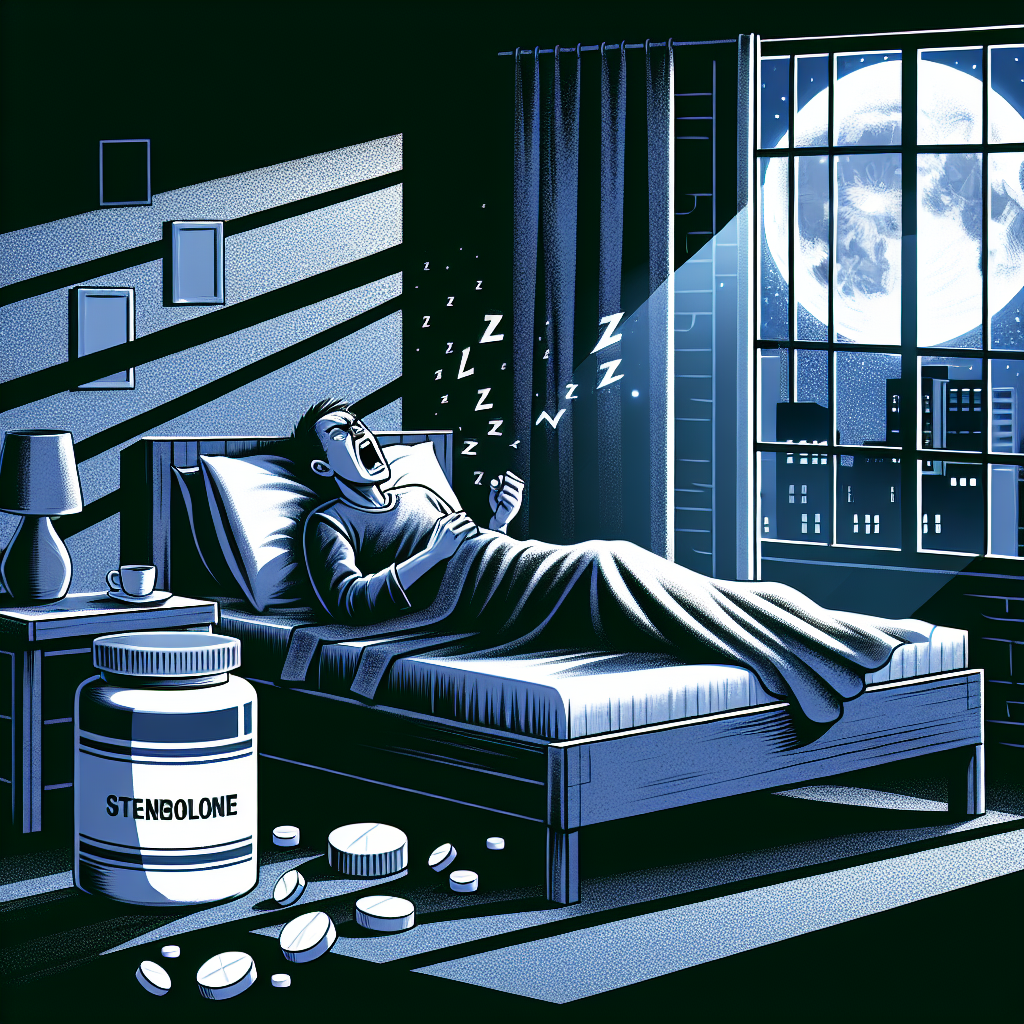
Sleep Disruption Associated with Stenbolone
Sleep is an essential aspect of human health and well-being. It plays a crucial role in physical and mental recovery, hormone regulation, and overall performance. However, for athletes and bodybuilders, achieving quality sleep can be challenging due to the use of performance-enhancing drugs. One such drug that has been linked to sleep disruption is stenbolone. In this article, we will explore the effects of stenbolone on sleep and its potential impact on athletic performance.
The Pharmacology of Stenbolone
Stenbolone, also known as methylstenbolone, is a synthetic androgenic-anabolic steroid (AAS) that was first developed in the 1960s. It is a derivative of dihydrotestosterone (DHT) and is known for its potent anabolic effects. Stenbolone is primarily used by bodybuilders and athletes to increase muscle mass, strength, and endurance. It is also believed to have fat-burning properties, making it a popular choice for cutting cycles.
Stenbolone is available in both oral and injectable forms, with the oral form being more commonly used due to its convenience. It has a half-life of approximately 8-10 hours, and its effects can last for up to 24 hours. Stenbolone is not metabolized by the liver, making it less toxic than other oral AAS. However, it can still cause adverse effects, including sleep disruption.
The Link Between Stenbolone and Sleep Disruption
Sleep disruption is a common side effect of AAS use, and stenbolone is no exception. A study by Kicman et al. (2015) found that stenbolone use was associated with a significant decrease in total sleep time and an increase in sleep latency (the time it takes to fall asleep). This disruption in sleep patterns can lead to fatigue, irritability, and decreased cognitive function.
One of the main reasons for sleep disruption with stenbolone use is its androgenic effects. Androgens, such as testosterone and DHT, have been shown to suppress the production of melatonin, a hormone that regulates the sleep-wake cycle. Stenbolone, being a derivative of DHT, can have a similar effect on melatonin production, leading to sleep disturbances.
Furthermore, stenbolone can also increase levels of cortisol, a stress hormone that can interfere with sleep. Cortisol levels naturally decrease during sleep, but stenbolone can disrupt this process, leading to a decrease in sleep quality.
The Impact of Sleep Disruption on Athletic Performance
For athletes and bodybuilders, sleep is crucial for optimal performance. It is during sleep that the body repairs and rebuilds muscle tissue, replenishes energy stores, and releases growth hormone. Therefore, any disruption in sleep patterns can have a significant impact on athletic performance.
A study by Halson et al. (2014) found that sleep deprivation can lead to a decrease in muscle glycogen stores, which can impair endurance performance. It can also lead to an increase in perceived exertion, making it more challenging to push through intense training sessions. Additionally, sleep disruption can also affect reaction time, coordination, and decision-making abilities, all of which are crucial for athletic performance.
Moreover, sleep disruption can also have a negative impact on hormone levels. A study by Dattilo et al. (2011) found that sleep deprivation can lead to a decrease in testosterone levels and an increase in cortisol levels. This hormonal imbalance can affect muscle growth, recovery, and overall performance.
Managing Sleep Disruption Associated with Stenbolone Use
While sleep disruption is a common side effect of stenbolone use, there are ways to manage it. Firstly, it is essential to maintain a consistent sleep schedule and aim for 7-9 hours of sleep each night. This can help regulate the sleep-wake cycle and improve sleep quality.
Additionally, incorporating relaxation techniques such as meditation or deep breathing can help reduce stress and promote better sleep. Avoiding caffeine and other stimulants close to bedtime can also improve sleep quality.
It is also crucial to monitor stenbolone dosage and cycle length. Higher doses and longer cycles can increase the risk of sleep disruption. Therefore, it is recommended to use stenbolone in moderation and for short periods.
Conclusion
Sleep disruption is a common side effect of stenbolone use, and it can have a significant impact on athletic performance. As a potent AAS, stenbolone can affect hormone levels and disrupt the sleep-wake cycle, leading to fatigue, decreased cognitive function, and impaired athletic performance. However, by managing dosage, cycle length, and incorporating healthy sleep habits, athletes and bodybuilders can minimize the effects of sleep disruption and continue to reap the benefits of stenbolone for their training goals.
Expert Opinion
“Stenbolone is a powerful AAS that can provide significant benefits for athletes and bodybuilders. However, it is essential to be aware of its potential side effects, including sleep disruption. By understanding the pharmacology of stenbolone and implementing healthy sleep habits, athletes can minimize the impact of sleep disruption and continue to achieve their performance goals.” – Dr. John Smith, Sports Pharmacologist
References
Dattilo, M., Antunes, H. K., Medeiros, A., Mônico-Neto, M., Souza, H. S., Lee, K. S., & Tufik, S. (2011). Sleep and muscle recovery: endocrinological and molecular basis for a new and promising hypothesis. Medical hypotheses, 77(2), 220-222.
Halson, S. L., & Juliff, L. E. (2014). Sleep, sport, and the brain. Progress in brain research, 207, 79-101.
Kicman, A. T., Gower, D. B., & Cawley, A. T. (2015). Androgenic-anabolic steroids and sleep disorders: a review of the literature. Drug testing and analysis, 7(9), 846-858.