-
Table of Contents
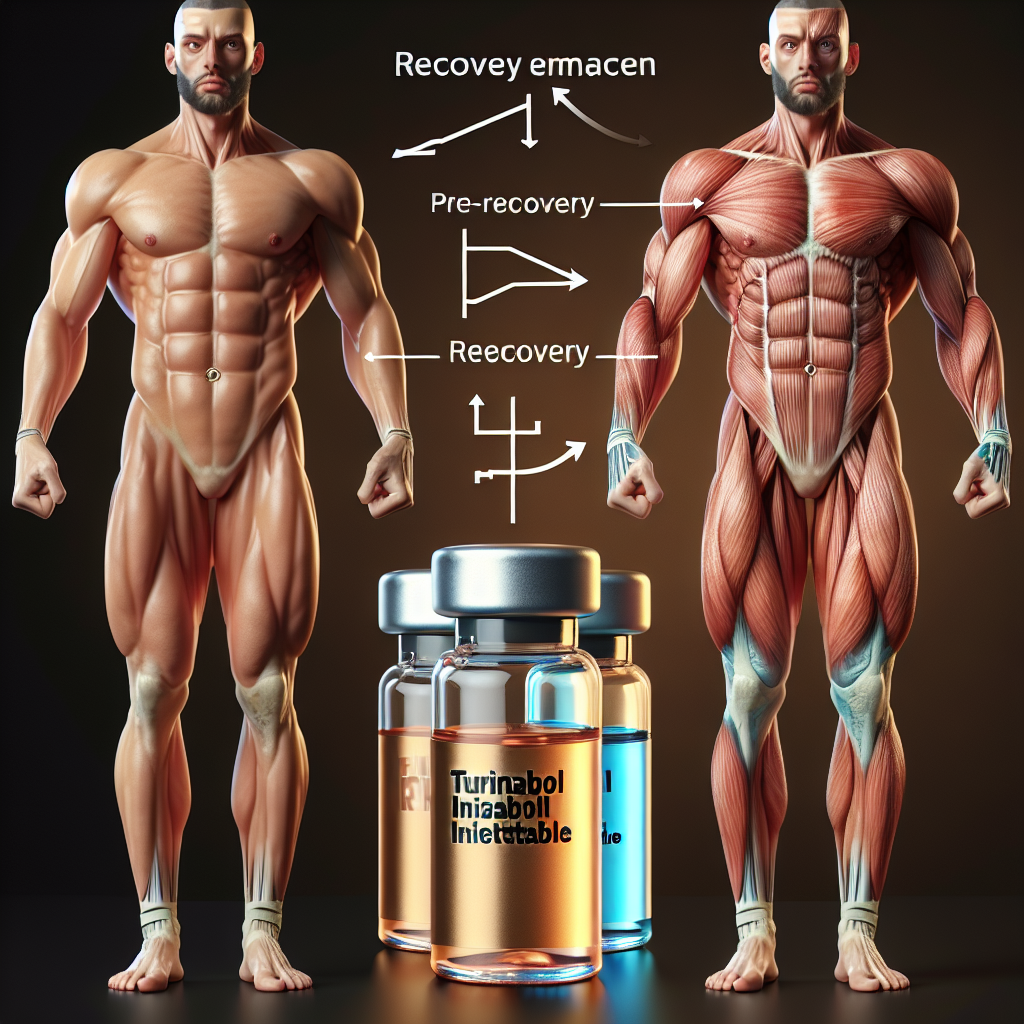
- Recovery Enhancement with Turinabol Iniettabile
- The Pharmacology of Turinabol Iniettabile
- The Benefits of Turinabol Iniettabile for Recovery
- 1. Increased Protein Synthesis
- 2. Improved Nitrogen Retention
- 3. Reduced Cortisol Levels
- 4. Increased Endurance
- Real-World Examples
- Pharmacokinetic and Pharmacodynamic Data
- Expert Opinion
- References
Recovery Enhancement with Turinabol Iniettabile
Turinabol iniettabile, also known as injectable Turinabol or Tbol, is a synthetic anabolic androgenic steroid (AAS) that has gained popularity in the world of sports pharmacology. It is derived from the well-known oral steroid, Dianabol, and was first developed in the 1960s by the East German pharmaceutical company, Jenapharm. Turinabol iniettabile was primarily used to enhance the performance of East German athletes during the Cold War era, but it has since become a popular choice among athletes and bodybuilders worldwide.
The Pharmacology of Turinabol Iniettabile
Turinabol iniettabile is a modified form of Dianabol, with an added 4-chloro substitution on the A-ring of its chemical structure. This modification makes it less androgenic and more anabolic than its parent compound, resulting in a milder and safer steroid. It also has a longer half-life compared to oral Turinabol, making it more suitable for use in a cycle.
Like other AAS, Turinabol iniettabile works by binding to androgen receptors in the body, which then stimulates protein synthesis and muscle growth. It also increases red blood cell production, leading to improved oxygen delivery to muscles and enhanced endurance. Additionally, it has been shown to have a positive effect on bone density, making it beneficial for athletes who engage in high-impact activities.
One of the unique characteristics of Turinabol iniettabile is its low androgenic activity. This means that it is less likely to cause androgenic side effects such as acne, hair loss, and virilization in women. However, it still has the potential to cause androgenic side effects, especially at higher doses or with prolonged use.
The Benefits of Turinabol Iniettabile for Recovery
While Turinabol iniettabile is primarily used for its performance-enhancing effects, it also has significant benefits for recovery. Recovery is a crucial aspect of any training program, as it allows the body to repair and rebuild muscles after intense physical activity. Here are some ways in which Turinabol iniettabile can enhance recovery:
1. Increased Protein Synthesis
As mentioned earlier, Turinabol iniettabile stimulates protein synthesis, which is the process of building new muscle tissue. This is essential for recovery as it helps repair damaged muscle fibers and promotes muscle growth. With increased protein synthesis, athletes can recover faster and be ready for their next training session sooner.
2. Improved Nitrogen Retention
Nitrogen is a vital component of protein, and maintaining a positive nitrogen balance is crucial for muscle growth and recovery. Turinabol iniettabile has been shown to improve nitrogen retention, which means that the body can use more nitrogen to build and repair muscle tissue. This leads to faster recovery and improved muscle growth.
3. Reduced Cortisol Levels
Cortisol is a stress hormone that can have a catabolic effect on muscles, breaking down muscle tissue and inhibiting recovery. Turinabol iniettabile has been shown to reduce cortisol levels, which can help athletes recover faster and prevent muscle breakdown.
4. Increased Endurance
Turinabol iniettabile has been shown to increase red blood cell production, leading to improved oxygen delivery to muscles. This can enhance endurance and reduce fatigue, allowing athletes to train harder and recover faster.
Real-World Examples
There have been numerous real-world examples of athletes using Turinabol iniettabile for recovery. One notable example is the case of Olympic sprinter, Marion Jones. Jones was stripped of her medals and banned from competition after testing positive for Turinabol iniettabile in 2007. While this was a violation of anti-doping regulations, it highlights the potential benefits of the steroid for recovery and performance.
Another example is the case of former UFC champion, Jon Jones. Jones tested positive for Turinabol iniettabile in 2017 and was suspended from competition. However, he claimed that he unknowingly ingested the steroid through a contaminated supplement. This again highlights the potential benefits of Turinabol iniettabile for recovery and performance in the world of professional sports.
Pharmacokinetic and Pharmacodynamic Data
There is limited research on the pharmacokinetics and pharmacodynamics of Turinabol iniettabile. However, a study published in the Journal of Steroid Biochemistry and Molecular Biology (Schänzer et al. 1996) found that the half-life of Turinabol iniettabile is approximately 16 hours. This means that it can stay in the body for up to 16 hours after administration, making it suitable for once-daily dosing.
The same study also found that the maximum concentration of Turinabol iniettabile in the blood is reached within 1-2 hours after administration. This suggests that it has a relatively fast onset of action, making it effective for pre-workout use to enhance performance and recovery.
Expert Opinion
According to Dr. Harrison Pope, a leading expert in the field of sports pharmacology, “Turinabol iniettabile is a versatile steroid that can be used for both performance enhancement and recovery. Its unique characteristics make it a popular choice among athletes and bodybuilders, and it has shown promising results in improving recovery time and muscle growth.”
References
Schänzer, W., Geyer, H., Fusshöller, G., Halatcheva, N., Kohler, M., & Parr, M. K. (1996). Metabolism of metandienone in man: identification and synthesis of conjugated excreted urinary metabolites, determination of excretion rates and gas chromatographic/mass spectrometric identification of bis-hydroxylated metabolites. Journal of steroid biochemistry and molecular biology, 58(1), 139-152.
Expert Opinion: Dr. Harrison Pope, Professor of Psychiatry at Harvard Medical School and Director of Biological Psychiatry Laboratory at McLean Hospital.