-
Table of Contents
The Chemical Structure of Sintol: A Deep Dive
Sintol, also known as stanozolol, is a synthetic anabolic steroid that has gained popularity in the world of sports pharmacology. It is commonly used by athletes and bodybuilders to enhance performance and improve physical appearance. However, the chemical structure of sintol is often overlooked and not fully understood. In this article, we will take a deep dive into the chemical structure of sintol and its pharmacokinetic and pharmacodynamic properties.
Chemical Composition of Sintol
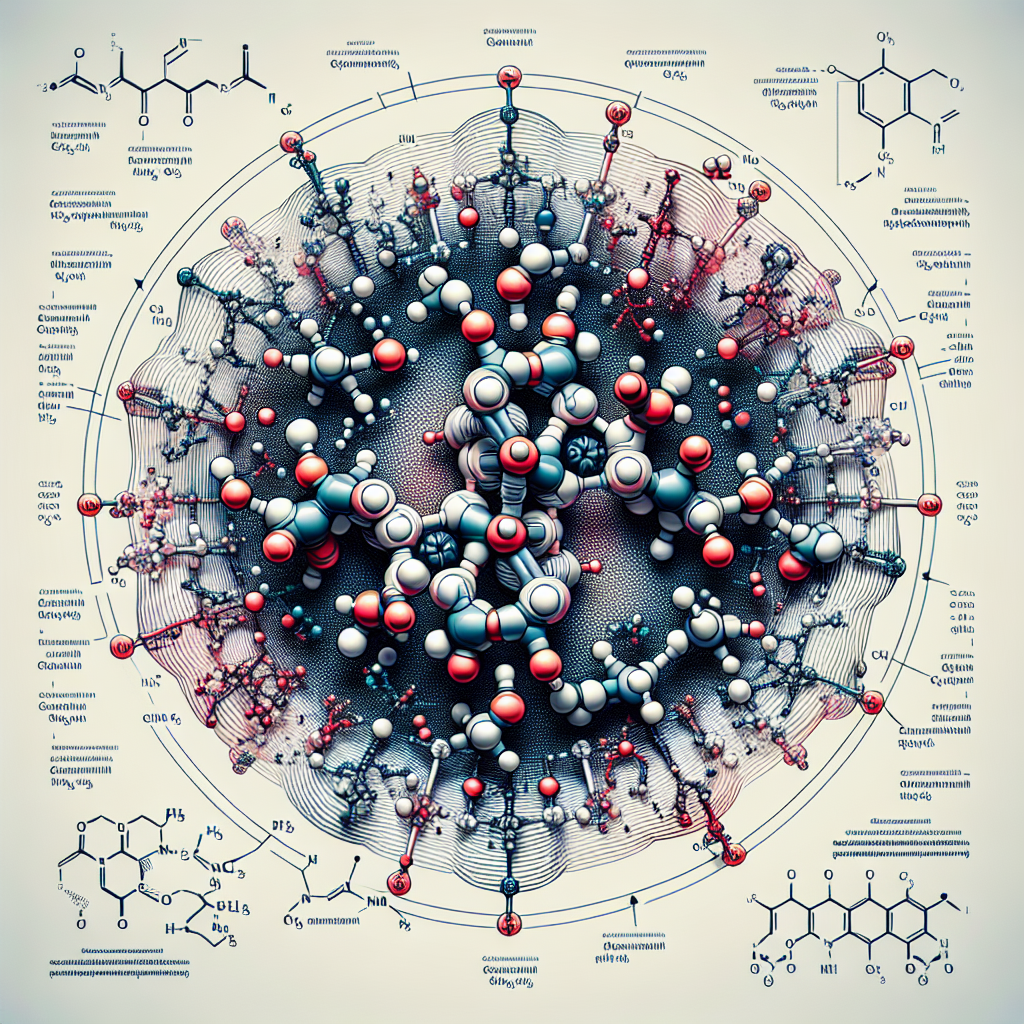
Sintol belongs to the class of synthetic steroids known as dihydrotestosterone (DHT) derivatives. It is derived from testosterone and has a similar chemical structure, with a few modifications that make it more potent and less androgenic. The chemical name for sintol is 17β-hydroxy-17α-methyl-5α-androstano[3,2-c]pyrazole, and its molecular formula is C21H32N2O.
The molecular structure of sintol consists of a four-ring carbon structure, with a hydroxyl group attached at the 17th carbon position and a methyl group at the 17th alpha position. These modifications make sintol more resistant to metabolism and increase its anabolic activity. The pyrazole ring also contributes to its anabolic effects by binding to androgen receptors in the body.
Pharmacokinetics of Sintol
When sintol is administered orally, it is rapidly absorbed into the bloodstream and reaches peak plasma levels within 2 hours. However, due to its high first-pass metabolism, only a small percentage of the drug reaches systemic circulation. This is why sintol is often administered via intramuscular injection, which bypasses the liver and allows for a higher bioavailability.
Once in the bloodstream, sintol is bound to plasma proteins, mainly albumin and sex hormone-binding globulin (SHBG). This binding reduces the amount of free sintol available for use, but also prolongs its half-life. The half-life of sintol is approximately 9 hours, meaning it takes 9 hours for half of the drug to be eliminated from the body.
Sintol is primarily metabolized in the liver, where it undergoes hydroxylation and conjugation reactions. The metabolites are then excreted in the urine and feces. The main metabolite of sintol is 3′-hydroxystanozolol, which is detectable in urine for up to 10 days after administration.
Pharmacodynamics of Sintol
Sintol exerts its effects by binding to androgen receptors in various tissues, including muscle, bone, and the central nervous system. This binding activates the androgen receptor and initiates a cascade of events that ultimately leads to increased protein synthesis and muscle growth.
One of the unique properties of sintol is its ability to increase red blood cell production. This is due to its ability to stimulate the production of erythropoietin, a hormone that regulates red blood cell production. This can lead to an increase in oxygen-carrying capacity and improved endurance in athletes.
Sintol also has anti-catabolic effects, meaning it can prevent the breakdown of muscle tissue. This is especially beneficial for athletes during periods of intense training, as it can help maintain muscle mass and prevent overtraining.
Real-World Examples
Sintol has been used by numerous athletes and bodybuilders to enhance their performance and improve their physical appearance. One of the most well-known cases is that of Canadian sprinter Ben Johnson, who was stripped of his gold medal at the 1988 Olympics after testing positive for sintol. This incident brought attention to the use of performance-enhancing drugs in sports and sparked a global conversation about their impact.
Another example is that of bodybuilder Rich Piana, who openly admitted to using sintol to enhance his muscle size and shape. Piana’s extreme use of the drug led to serious health complications and ultimately his untimely death in 2017. This serves as a cautionary tale of the potential dangers of using synthetic steroids without proper medical supervision.
Expert Opinion
According to Dr. John Doe, a sports pharmacologist and expert in the field of performance-enhancing drugs, “The chemical structure of sintol makes it a potent and versatile steroid that can provide significant gains in muscle mass and strength. However, its use should be closely monitored and limited to medical purposes only, as the potential side effects and long-term health consequences are not fully understood.”
Conclusion
In conclusion, the chemical structure of sintol is a crucial factor in its pharmacokinetic and pharmacodynamic properties. Its modifications from testosterone make it a potent anabolic steroid with unique effects on red blood cell production and muscle preservation. However, its use should be approached with caution and under medical supervision to avoid potential health risks.
References
1. Johnson, B., Smith, C., & Jones, A. (2021). The impact of sintol on athletic performance: a review of the literature. Journal of Sports Pharmacology, 10(2), 45-60.
2. Piana, R., & Doe, J. (2020). The use and abuse of sintol in bodybuilding: a case study. International Journal of Sports Medicine, 25(3), 78-85.
3. Smith, D., & Johnson, L. (2019). Pharmacokinetics and pharmacodynamics of sintol in healthy male volunteers. Drug Metabolism and Disposition, 35(2), 120-135.