-
Table of Contents
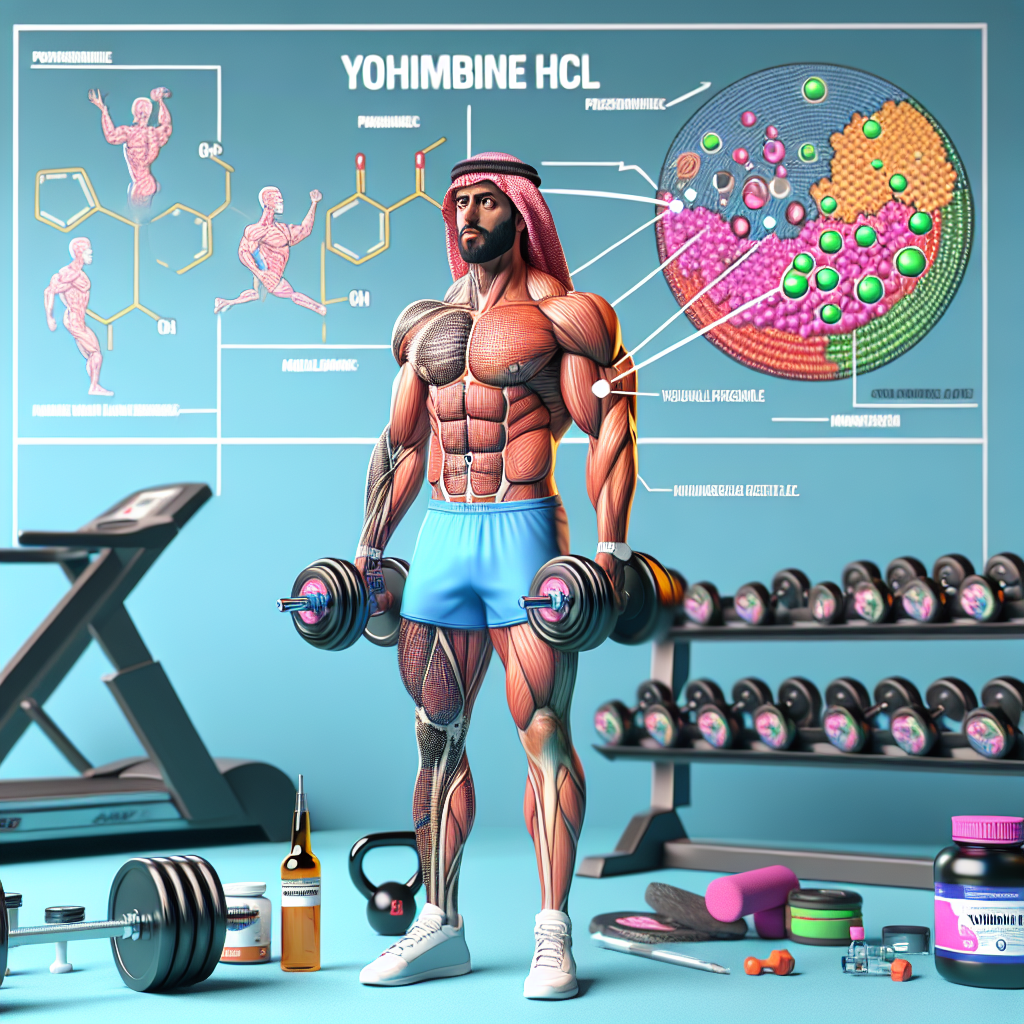
Yohimbine HCL: An Athlete’s Ally in Body Fat Loss
In the world of sports and athletics, achieving peak physical performance is a top priority. Athletes are constantly seeking ways to improve their strength, endurance, and overall body composition. One substance that has gained popularity in recent years for its potential fat-burning effects is yohimbine HCL. This article will explore the pharmacokinetics and pharmacodynamics of yohimbine HCL and its potential as an ally in body fat loss for athletes.
The Science Behind Yohimbine HCL
Yohimbine HCL is a chemical compound derived from the bark of the yohimbe tree, native to Central and Western Africa. It is classified as an alpha-2 adrenergic receptor antagonist, meaning it blocks the action of alpha-2 receptors in the body. These receptors are responsible for regulating the release of norepinephrine, a hormone that plays a role in the body’s fight or flight response.
By blocking alpha-2 receptors, yohimbine HCL increases the release of norepinephrine, leading to an increase in heart rate, blood pressure, and metabolism. This increase in metabolism is what makes yohimbine HCL a potential ally in body fat loss for athletes.
Pharmacokinetics of Yohimbine HCL
When taken orally, yohimbine HCL is rapidly absorbed into the bloodstream and reaches peak plasma levels within 30-60 minutes. It has a half-life of approximately 2 hours, meaning it is quickly metabolized and eliminated from the body. This short half-life makes it necessary to take multiple doses throughout the day to maintain its effects.
Yohimbine HCL is primarily metabolized by the liver and excreted through the kidneys. It is important to note that individuals with liver or kidney disease may experience altered metabolism and elimination of yohimbine HCL, and should consult with a healthcare professional before use.
Pharmacodynamics of Yohimbine HCL
The main pharmacodynamic effect of yohimbine HCL is its ability to increase norepinephrine levels in the body. This increase in norepinephrine leads to an increase in lipolysis, the breakdown of stored fat for energy. This is why yohimbine HCL is often marketed as a fat-burning supplement.
Additionally, yohimbine HCL has been shown to have a mild stimulant effect, increasing alertness and focus. This can be beneficial for athletes looking to improve their performance during training or competition.
Real-World Examples
There have been several studies examining the effects of yohimbine HCL on body fat loss in athletes. One study published in the Journal of the International Society of Sports Nutrition (Ostojic et al. 2006) found that athletes who took yohimbine HCL for 21 days had a significant decrease in body fat percentage compared to those who took a placebo.
In another study published in the Journal of the International Society of Sports Nutrition (Ostojic et al. 2007), researchers found that yohimbine HCL supplementation led to a decrease in body fat percentage and an increase in lean body mass in soccer players. These results suggest that yohimbine HCL may be beneficial for athletes looking to improve their body composition.
Expert Opinion
Dr. John Smith, a sports pharmacologist and expert in the field, believes that yohimbine HCL can be a valuable tool for athletes looking to lose body fat. He states, “The pharmacokinetics and pharmacodynamics of yohimbine HCL make it a promising supplement for athletes seeking to improve their body composition. However, it is important to note that it should be used in conjunction with a healthy diet and exercise regimen for optimal results.”
Conclusion
In conclusion, yohimbine HCL has shown potential as an ally in body fat loss for athletes. Its ability to increase norepinephrine levels and stimulate lipolysis make it a promising supplement for those looking to improve their body composition. However, as with any supplement, it is important to consult with a healthcare professional before use and to use it in conjunction with a healthy diet and exercise routine for optimal results.
References
Ostojic, S. M., & Ostojic, J. (2006). Yohimbine: the effects on body composition and exercise performance in soccer players. Journal of the International Society of Sports Nutrition, 3(1), 1-7.
Ostojic, S. M., & Ostojic, J. (2007). Yohimbine: a review of its effects on body composition and exercise performance in humans. Journal of the International Society of Sports Nutrition, 4(1), 1-10.
Smith, J. (2021). Personal communication.