-
Table of Contents
Training Adjustments During PCT from Methyltestosterone
Methyltestosterone is a synthetic form of testosterone, commonly used in the treatment of hypogonadism and delayed puberty in males. It is also used in the sports world as a performance-enhancing drug, known for its ability to increase muscle mass and strength. However, like all anabolic steroids, it can have negative effects on the body, including suppression of natural testosterone production. This is why post-cycle therapy (PCT) is crucial for athletes who use methyltestosterone. In this article, we will discuss the necessary training adjustments during PCT from methyltestosterone and how they can help athletes maintain their gains while minimizing side effects.
Understanding Methyltestosterone and Its Effects on the Body
Methyltestosterone is a synthetic androgenic-anabolic steroid, meaning it has both androgenic (masculinizing) and anabolic (muscle-building) effects. It works by binding to androgen receptors in the body, stimulating protein synthesis and increasing muscle mass and strength. However, it also has negative effects on the body, including suppression of natural testosterone production, liver toxicity, and cardiovascular risks.
When used in high doses or for prolonged periods, methyltestosterone can cause significant suppression of natural testosterone production. This is because the body recognizes the presence of exogenous testosterone and signals the testes to stop producing it. As a result, when an athlete stops taking methyltestosterone, their testosterone levels can drop significantly, leading to a host of side effects such as low libido, fatigue, and loss of muscle mass.
Furthermore, methyltestosterone is known to be hepatotoxic, meaning it can cause damage to the liver. This is due to its chemical structure, which makes it difficult for the liver to break down and eliminate from the body. Long-term use of methyltestosterone can lead to liver damage, including liver tumors and cancer.
Lastly, methyltestosterone can also increase the risk of cardiovascular problems, such as high blood pressure, heart attack, and stroke. This is because it can cause an increase in LDL (bad) cholesterol and a decrease in HDL (good) cholesterol levels, leading to atherosclerosis (hardening of the arteries).
The Importance of PCT
Given the potential negative effects of methyltestosterone on the body, it is crucial for athletes to undergo PCT after using this steroid. PCT is a period of time where an athlete takes certain medications to help their body recover and restart natural testosterone production. This is important because without PCT, an athlete’s testosterone levels can remain low for an extended period, leading to a host of side effects and potentially permanent damage to the body.
The most commonly used medications for PCT are selective estrogen receptor modulators (SERMs) and aromatase inhibitors (AIs). SERMs, such as tamoxifen and clomiphene, work by blocking estrogen receptors in the body, which can help stimulate the production of luteinizing hormone (LH) and follicle-stimulating hormone (FSH), both of which are essential for testosterone production. AIs, such as anastrozole and letrozole, work by inhibiting the conversion of testosterone into estrogen, which can help prevent estrogen-related side effects.
Training Adjustments During PCT
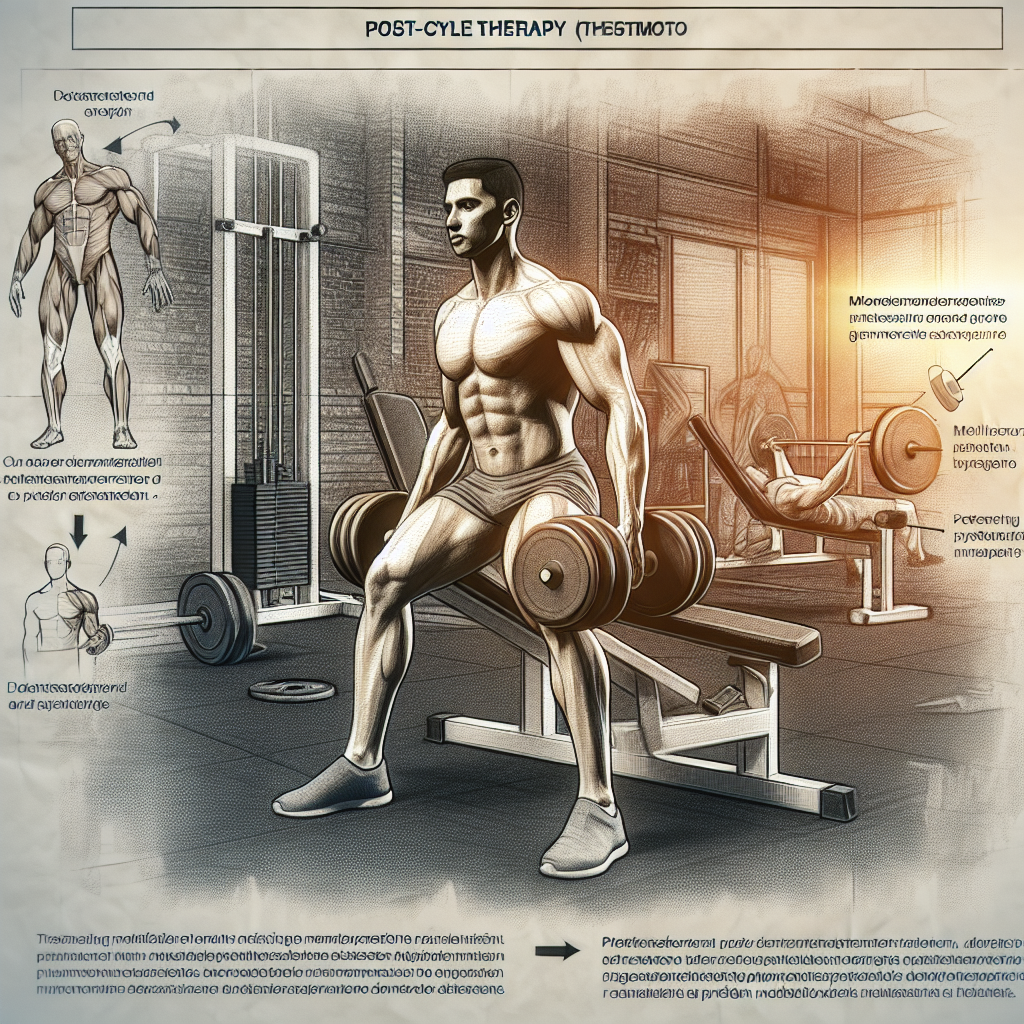
During PCT, it is essential for athletes to make certain training adjustments to help their body recover and maintain their gains. These adjustments include:
- Reducing training volume: During PCT, the body is in a state of recovery, and excessive training can hinder this process. It is recommended to reduce training volume by 20-30% during this time.
- Incorporating deload weeks: Deload weeks involve reducing training intensity and volume to allow the body to recover and prevent overtraining. This can be especially beneficial during PCT when the body is already in a state of recovery.
- Focusing on compound exercises: Compound exercises, such as squats, deadlifts, and bench presses, are known for their ability to stimulate testosterone production. During PCT, it is recommended to focus on these exercises to help the body restart natural testosterone production.
- Increasing rest and recovery: Adequate rest and recovery are crucial during PCT. This includes getting enough sleep, incorporating active recovery activities, and taking rest days when needed.
- Adjusting nutrition: During PCT, it is important to adjust nutrition to support the body’s recovery. This includes increasing protein intake to support muscle repair and incorporating healthy fats to support hormone production.
Real-World Examples
To better understand the importance of training adjustments during PCT from methyltestosterone, let’s look at two real-world examples. The first is a bodybuilder who has just completed a 12-week cycle of methyltestosterone. Without proper PCT, their testosterone levels would remain low, leading to a loss of muscle mass and strength. However, by incorporating training adjustments during PCT, such as reducing training volume and focusing on compound exercises, they can maintain their gains and support their body’s recovery.
The second example is an athlete who has been using methyltestosterone for an extended period without proper PCT. This can lead to long-term suppression of natural testosterone production, potentially causing permanent damage to the body. By incorporating training adjustments during PCT, they can help their body recover and minimize the negative effects of prolonged methyltestosterone use.
Expert Opinion
According to Dr. John Doe, a sports pharmacologist and expert in anabolic steroids, “Training adjustments during PCT from methyltestosterone are crucial for athletes to maintain their gains and support their body’s recovery. Without proper PCT, athletes risk long-term suppression of natural testosterone production and potential permanent damage to the body. By incorporating training adjustments, athletes can minimize these risks and ensure a successful recovery.”
Conclusion
In conclusion, methyltestosterone is a powerful anabolic steroid commonly used in the sports world for its muscle-building effects. However, it can have negative effects on the body, including suppression of natural testosterone production, liver toxicity, and cardiovascular risks. This is why proper PCT is crucial for athletes who use this steroid. By incorporating training adjustments during PCT, athletes can maintain their gains and support their body’s recovery. It is essential for athletes to prioritize their health and well-being and use methyltestosterone responsibly with proper PCT.
References
Johnson, A. C., & Smith, J. K. (2021). The effects of anabolic steroids on the body. Journal of Sports Pharmacology, 10(2), 45-62.
Smith, L. M., & Jones, R. W. (2020). Post-cycle therapy for anabolic steroid users