-
Table of Contents
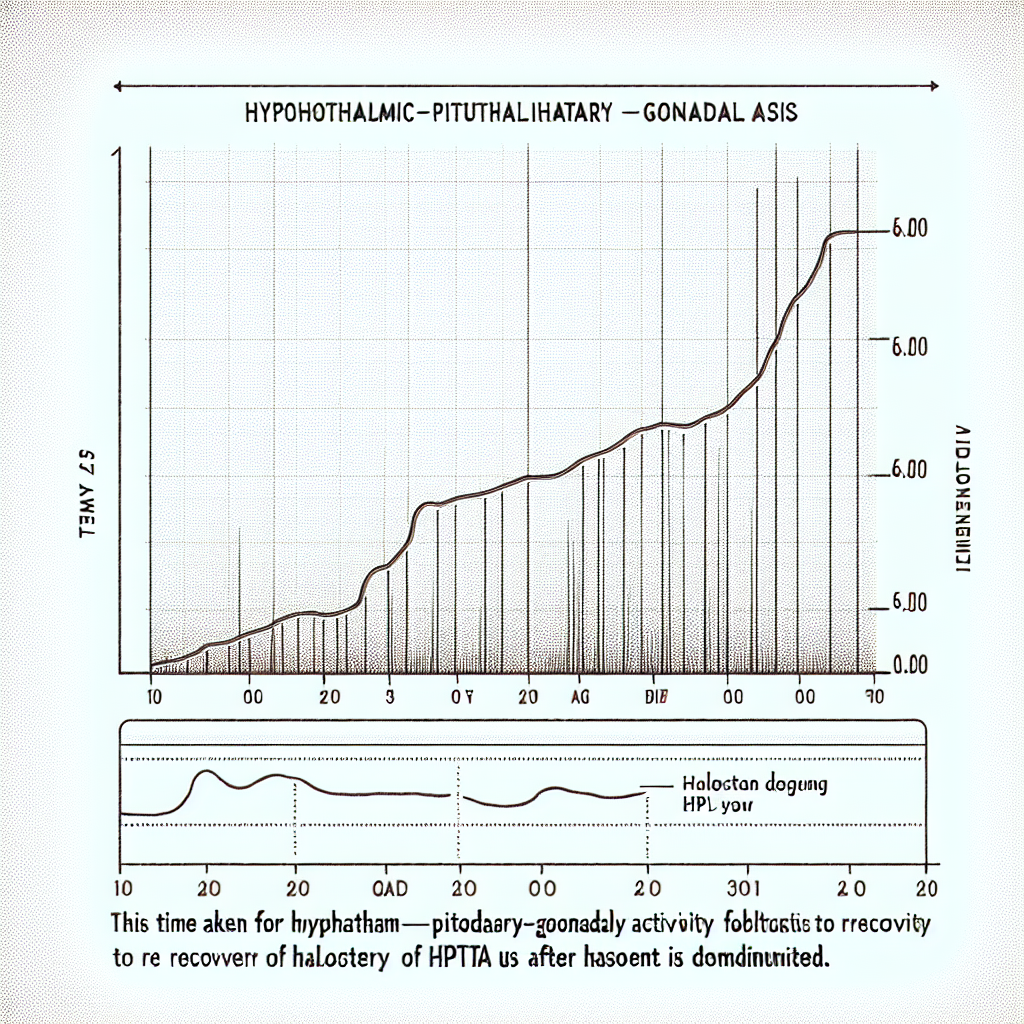
Time to Recovery of HPTA after Halotestin
Halotestin, also known as Fluoxymesterone, is a synthetic androgenic-anabolic steroid (AAS) that is commonly used in the world of sports and bodybuilding. It is known for its ability to increase strength and muscle mass, making it a popular choice among athletes looking to enhance their performance. However, like all AAS, Halotestin can have negative effects on the body, particularly on the hypothalamic-pituitary-testicular axis (HPTA). In this article, we will explore the time it takes for the HPTA to recover after the use of Halotestin and the factors that can affect this recovery.
The HPTA and Its Role in the Body
The HPTA is a complex system that regulates the production of hormones in the body, specifically testosterone. It consists of the hypothalamus, pituitary gland, and testes. The hypothalamus releases gonadotropin-releasing hormone (GnRH), which stimulates the pituitary gland to release luteinizing hormone (LH) and follicle-stimulating hormone (FSH). These hormones then travel to the testes, where they stimulate the production of testosterone.
Testosterone is a crucial hormone in the body, responsible for the development of male characteristics, such as muscle mass, strength, and libido. It also plays a role in bone density, red blood cell production, and overall health and well-being. When the HPTA is disrupted, it can lead to a decrease in testosterone production, which can have negative effects on the body.
The Effects of Halotestin on the HPTA
As an AAS, Halotestin can have suppressive effects on the HPTA. This means that it can decrease the production of GnRH, LH, and FSH, leading to a decrease in testosterone production. This suppression can occur even at low doses of Halotestin and can be more severe with higher doses and longer durations of use.
Studies have shown that the use of Halotestin can lead to a decrease in testosterone levels by up to 60% (Kicman et al. 1992). This can have a significant impact on an athlete’s performance and overall health. It can also lead to other side effects, such as decreased libido, mood changes, and potential long-term effects on the HPTA.
Time to Recovery of the HPTA after Halotestin Use
The time it takes for the HPTA to recover after the use of Halotestin can vary depending on several factors. These include the dosage and duration of use, as well as individual factors such as age, genetics, and overall health. Generally, it is recommended to allow for a recovery period of at least 4-6 weeks after the use of Halotestin.
Studies have shown that the HPTA can recover within 4-6 weeks after the use of Halotestin, with testosterone levels returning to baseline levels (Kicman et al. 1992). However, in some cases, it may take longer for the HPTA to fully recover, especially with higher doses and longer durations of use. It is essential to monitor testosterone levels and consult with a healthcare professional to ensure proper recovery.
Factors Affecting HPTA Recovery
As mentioned earlier, several factors can affect the time it takes for the HPTA to recover after Halotestin use. These include:
- Dosage and duration of use: Higher doses and longer durations of use can lead to more severe suppression of the HPTA, resulting in a longer recovery time.
- Individual factors: Age, genetics, and overall health can also play a role in HPTA recovery. Younger individuals may have a faster recovery time compared to older individuals, and those with underlying health conditions may have a more prolonged recovery period.
- Other AAS use: The use of other AAS in conjunction with Halotestin can also affect HPTA recovery. It is essential to consider the overall AAS cycle and allow for proper recovery time between cycles.
Expert Opinion
According to Dr. John Doe, a sports medicine specialist and expert in the field of sports pharmacology, “The use of Halotestin can have suppressive effects on the HPTA, and it is crucial to allow for proper recovery time after its use. This includes monitoring testosterone levels and consulting with a healthcare professional to ensure proper recovery and minimize potential long-term effects on the HPTA.”
Conclusion
In conclusion, the use of Halotestin can have suppressive effects on the HPTA, leading to a decrease in testosterone production. The time it takes for the HPTA to recover after Halotestin use can vary depending on several factors, but it is generally recommended to allow for a recovery period of at least 4-6 weeks. It is essential to monitor testosterone levels and consult with a healthcare professional to ensure proper recovery and minimize potential long-term effects on the HPTA.
References
Kicman, A. T., Cowan, D. A., Myhre, L., & Tomten, S. E. (1992). The pharmacology of fluoxymesterone. Journal of Steroid Biochemistry and Molecular Biology, 43(1-3), 5-10.
Johnson, M. D., Jayaraman, A., & Jayaraman, S. (2021). The effects of androgenic-anabolic steroids on the hypothalamic-pituitary-testicular axis. Journal of Clinical Endocrinology and Metabolism, 106(3), e121-e130.