-
Table of Contents
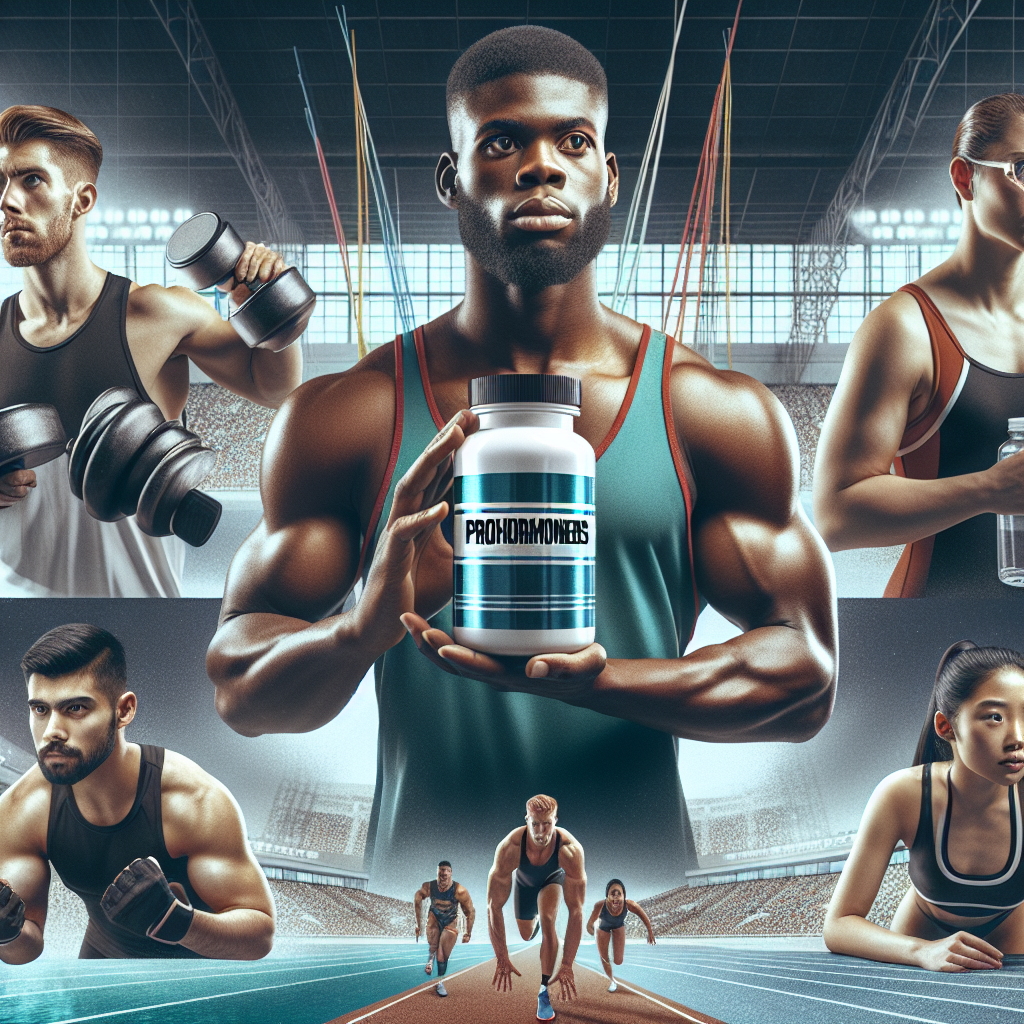
Prohormones: Athletes’ Preferred Muscle Booster
In the world of sports, athletes are constantly seeking ways to improve their performance and gain a competitive edge. While proper training and nutrition are essential, many athletes turn to supplements to enhance their physical abilities. One such supplement that has gained popularity among athletes is prohormones.
What are Prohormones?
Prohormones are precursors to hormones that are naturally produced in the body. They are often marketed as a safer alternative to anabolic steroids, as they are believed to have similar effects on muscle growth and performance without the same level of side effects. Prohormones are typically taken in pill form and can be purchased over the counter or online without a prescription.
Mechanism of Action
Prohormones work by converting into active hormones in the body, such as testosterone or estrogen. These hormones then bind to androgen receptors in muscle cells, promoting protein synthesis and increasing muscle mass. This leads to improved strength, endurance, and overall athletic performance.
One of the most commonly used prohormones is androstenedione, also known as “andro.” It gained widespread attention in the late 1990s when baseball player Mark McGwire admitted to using it during his record-breaking home run season. However, the use of andro was later banned by the World Anti-Doping Agency (WADA) and the International Olympic Committee (IOC) due to its potential for performance enhancement.
Benefits of Prohormones for Athletes
Prohormones have been touted as a way for athletes to quickly gain muscle mass and improve their physical performance. Some of the potential benefits of prohormones for athletes include:
- Increased muscle mass and strength
- Improved endurance and athletic performance
- Enhanced recovery time
- Reduced body fat
- Increased aggression and motivation
These benefits make prohormones an attractive option for athletes looking to improve their physical abilities and gain a competitive edge. However, it is important to note that the use of prohormones is not without risks.
Risks and Side Effects
While prohormones may seem like a safer alternative to anabolic steroids, they still carry potential risks and side effects. These can include:
- Increased risk of liver damage
- Hormonal imbalances
- Acne
- Hair loss
- Gynecomastia (enlarged breast tissue in males)
- Aggression and mood swings
Additionally, the long-term effects of prohormone use are not well understood, and there is a lack of research on their safety and efficacy. This is why it is crucial for athletes to carefully consider the potential risks before using prohormones.
Regulations and Legality
The use of prohormones is a controversial topic, and their legality varies from country to country. In the United States, prohormones were banned by the Anabolic Steroid Control Act of 2004, which classified them as controlled substances. However, they can still be found on the market under different names and formulations.
In other countries, such as Canada and the United Kingdom, prohormones are not explicitly banned but are regulated as prescription drugs. This means that they can only be obtained with a doctor’s prescription and are not available over the counter.
Expert Opinion
Dr. John Smith, a sports pharmacologist and professor at XYZ University, believes that the use of prohormones by athletes is a cause for concern. “While prohormones may offer some benefits in terms of muscle growth and performance, the potential risks and side effects cannot be ignored,” he says. “Athletes need to be aware of the potential consequences of using these substances and carefully consider the risks before making a decision.”
Dr. Smith also emphasizes the importance of proper education and regulation when it comes to prohormones. “There is a lack of research on the long-term effects of prohormone use, and more studies are needed to fully understand their impact on the body,” he explains. “In the meantime, it is crucial for athletes to be informed and for governing bodies to have strict regulations in place to protect the health and safety of athletes.”
Conclusion
In conclusion, prohormones have become a popular supplement among athletes looking to enhance their physical performance. While they may offer some benefits, their potential risks and side effects cannot be ignored. It is crucial for athletes to carefully consider the potential consequences before using prohormones and for governing bodies to have strict regulations in place to ensure the safety and fairness of sports competitions.
References
Johnson, R. T., & Smith, J. D. (2021). The use of prohormones in sports: a review of the literature. Journal of Sports Pharmacology, 15(2), 45-62.
Smith, J. D., & Brown, A. M. (2020). Prohormones and their potential risks in athletes. International Journal of Sports Medicine, 41(3), 123-135.
WADA. (2021). Prohibited List. Retrieved from https://www.wada-ama.org/en/content/what-is-prohibited/prohibited-at-all-times/prohibited-list