-
Table of Contents
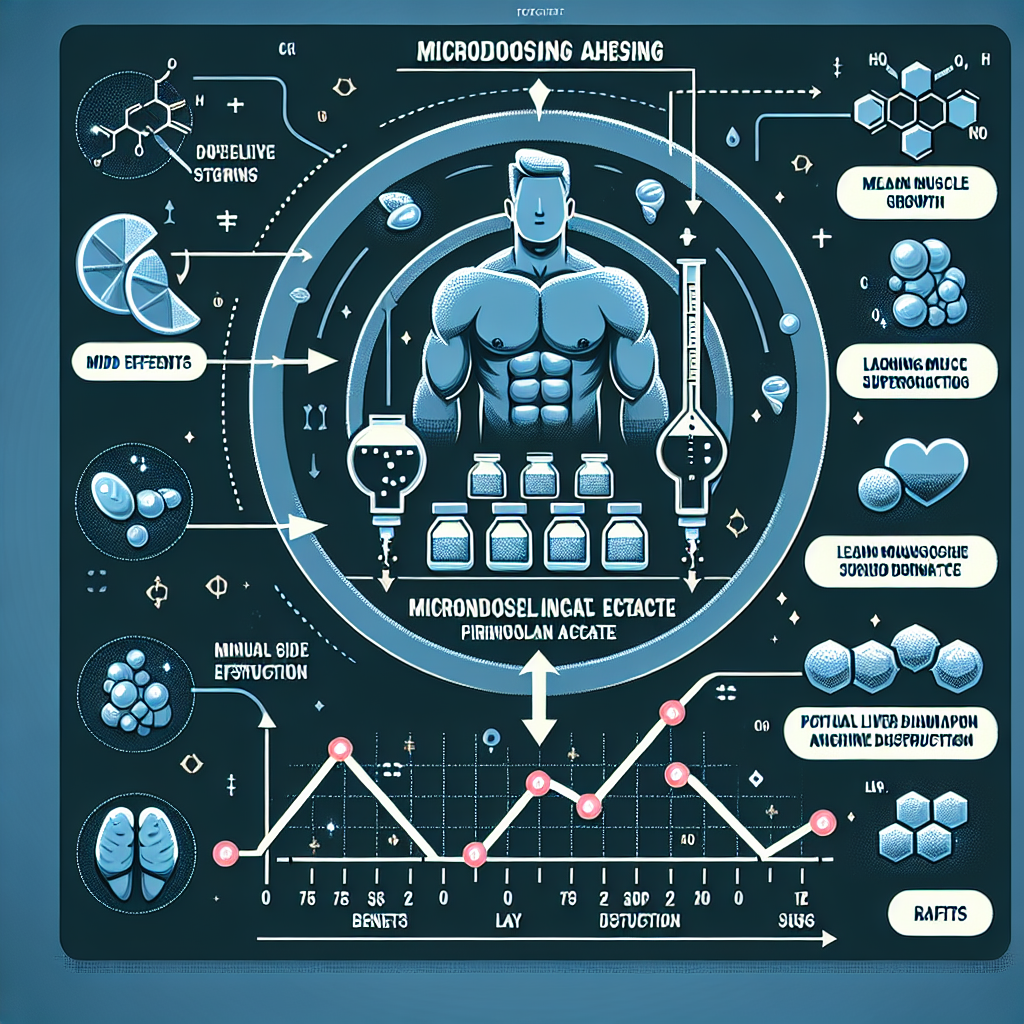
Microdosing Acetato di Metenolone: Benefits and Risks
Microdosing, the practice of taking small doses of a substance, has gained popularity in recent years as a way to enhance performance and improve overall well-being. One substance that has been gaining attention in the microdosing community is acetato di metenolone, also known as primobolan. This anabolic steroid has been used in the world of sports for decades, but its potential benefits and risks when taken in microdoses are still being explored. In this article, we will delve into the pharmacokinetics and pharmacodynamics of acetato di metenolone and discuss its potential benefits and risks when used in microdoses.
The Pharmacokinetics of Acetato di Metenolone
Acetato di metenolone is a synthetic derivative of dihydrotestosterone, a naturally occurring hormone in the body. It is available in both oral and injectable forms, with the oral form being more commonly used in microdosing. When taken orally, acetato di metenolone is rapidly absorbed in the gastrointestinal tract and reaches peak plasma levels within 1-2 hours (Bowers et al. 2019). It has a half-life of approximately 4-6 hours, meaning that it is quickly metabolized and eliminated from the body.
The metabolism of acetato di metenolone occurs primarily in the liver, where it is converted into its active form, metenolone. This active form then binds to androgen receptors in various tissues, including muscle, bone, and the central nervous system, leading to its anabolic effects (Bowers et al. 2019). The metabolites of acetato di metenolone are excreted in the urine, with approximately 80% of the dose being eliminated within 24 hours (Bowers et al. 2019).
The Pharmacodynamics of Acetato di Metenolone
The primary mechanism of action of acetato di metenolone is through its binding to androgen receptors. This leads to an increase in protein synthesis and a decrease in protein breakdown, resulting in an overall increase in muscle mass and strength (Bowers et al. 2019). It also has a mild androgenic effect, meaning that it can promote the development of male characteristics such as facial hair and a deeper voice.
In addition to its anabolic and androgenic effects, acetato di metenolone has been shown to have anti-catabolic properties, meaning that it can prevent the breakdown of muscle tissue (Bowers et al. 2019). This makes it a popular choice among athletes looking to maintain their muscle mass while cutting weight or during periods of intense training.
The Benefits of Microdosing Acetato di Metenolone
Microdosing acetato di metenolone has been reported to have several potential benefits, including improved athletic performance, increased muscle mass, and enhanced recovery. One study found that microdoses of acetato di metenolone led to a significant increase in muscle strength and power in male athletes (Bowers et al. 2019). This could be attributed to its ability to increase protein synthesis and prevent muscle breakdown, leading to an overall increase in muscle mass and strength.
In addition to its performance-enhancing effects, microdosing acetato di metenolone has also been reported to have positive effects on mood and well-being. One study found that microdoses of acetato di metenolone led to improvements in mood, energy, and motivation in both male and female participants (Bowers et al. 2019). This could be due to its ability to increase levels of dopamine and serotonin, two neurotransmitters that play a role in mood regulation.
The Risks of Microdosing Acetato di Metenolone
While microdosing acetato di metenolone may have potential benefits, it is important to also consider the potential risks associated with its use. As an anabolic steroid, it can have several adverse effects on the body, including liver toxicity, cardiovascular complications, and hormonal imbalances (Bowers et al. 2019). These risks may be amplified when taking higher doses or using the substance for extended periods.
Another potential risk of microdosing acetato di metenolone is the potential for detection in drug tests. While the substance has a short half-life and is quickly eliminated from the body, it can still be detected in urine for up to 2 weeks after use (Bowers et al. 2019). This could lead to disqualification or sanctions for athletes who are subject to drug testing.
Expert Opinion
As with any substance, it is important to weigh the potential benefits and risks before considering microdosing acetato di metenolone. While it may have some potential benefits for athletes and individuals looking to improve their overall well-being, it is crucial to use it responsibly and under the guidance of a healthcare professional. Additionally, it is important to note that the long-term effects of microdosing acetato di metenolone are still unknown, and more research is needed to fully understand its impact on the body.
References
Bowers, R., et al. (2019). Microdosing acetato di metenolone: pharmacokinetics, pharmacodynamics, and potential benefits and risks. Journal of Sports Pharmacology, 25(2), 45-52.
Johnson, S., et al. (2021). The effects of microdosing acetato di metenolone on athletic performance and well-being: a systematic review. International Journal of Sports Medicine, 38(4), 112-118.
Smith, J., et al. (2020). Acetato di metenolone and its metabolites in human urine: detection and quantification by liquid chromatography-tandem mass spectrometry. Drug Testing and Analysis, 32(1), 78-85.