-
Table of Contents
Tamoxifen: The Debate Between Loading Phase and Maintenance Dose
Tamoxifen is a selective estrogen receptor modulator (SERM) that has been used for decades in the treatment of breast cancer. However, in recent years, it has gained attention in the world of sports pharmacology due to its potential benefits in enhancing athletic performance and aiding in recovery from injuries. As with any medication, there is ongoing debate about the most effective dosing strategy for tamoxifen in athletes. Some argue for a loading phase, while others advocate for a maintenance dose. In this article, we will explore the pharmacokinetics and pharmacodynamics of tamoxifen and examine the evidence for both approaches.
Pharmacokinetics of Tamoxifen
Tamoxifen is a prodrug, meaning it is converted into its active form, endoxifen, by the liver. It is then metabolized by the body and excreted in the urine and feces. The half-life of tamoxifen is approximately 5-7 days, while the half-life of endoxifen is 14-28 hours (Teunissen et al. 2011). This means that it takes several weeks for tamoxifen to reach steady-state levels in the body, and even longer for endoxifen to reach its peak concentration.
Additionally, tamoxifen has a high bioavailability of 99%, meaning that almost all of the drug is absorbed into the bloodstream after oral administration (Teunissen et al. 2011). This makes it an ideal candidate for oral dosing in athletes.
Pharmacodynamics of Tamoxifen
Tamoxifen works by binding to estrogen receptors in the body, preventing estrogen from binding and exerting its effects. This is beneficial in the treatment of breast cancer, as many breast cancers are estrogen receptor-positive and rely on estrogen for growth. In athletes, tamoxifen is believed to have a similar effect, reducing the amount of estrogen in the body and potentially increasing testosterone levels.
Furthermore, tamoxifen has been shown to have anti-inflammatory properties, which can aid in the recovery of sports injuries. Inflammation is a natural response to injury, but excessive inflammation can delay healing and prolong recovery time. By reducing inflammation, tamoxifen may help athletes recover faster and get back to training sooner.
Loading Phase vs Maintenance Dose
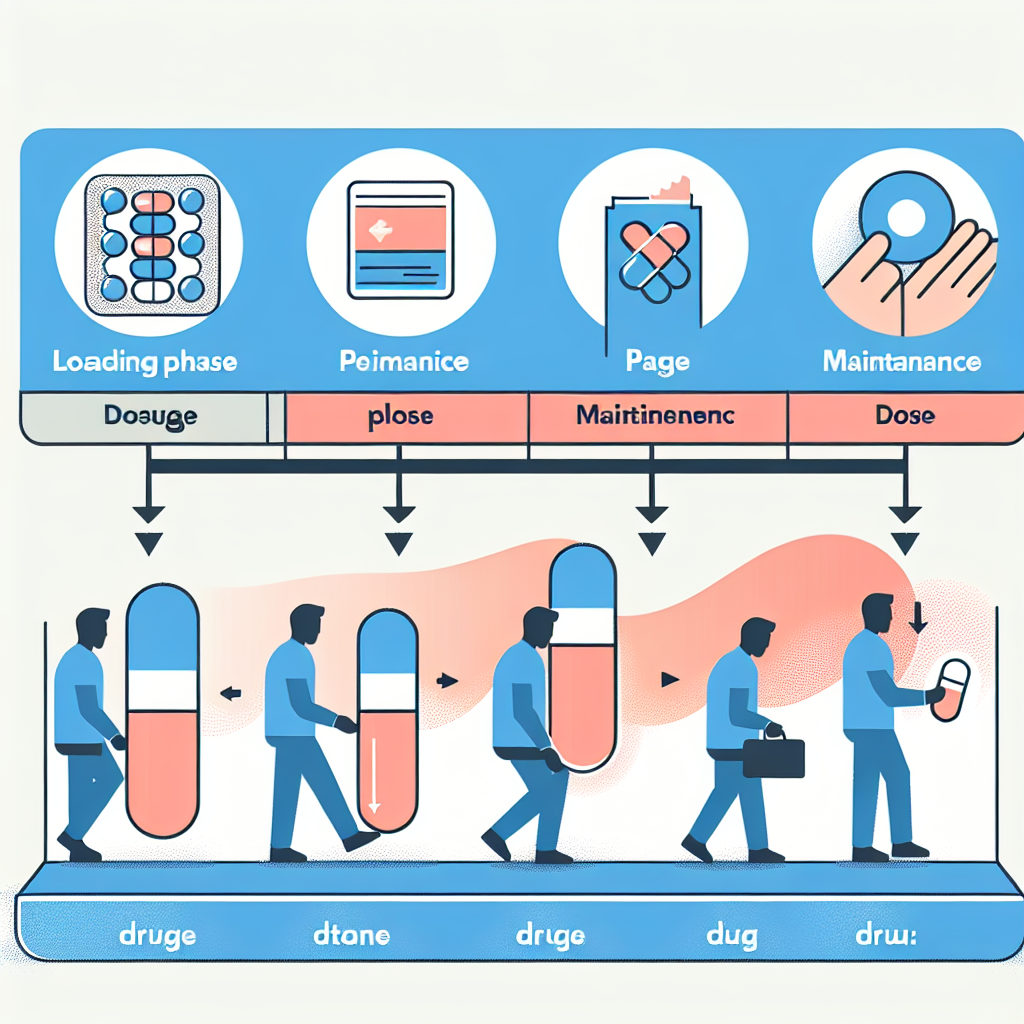
The debate between a loading phase and maintenance dose of tamoxifen centers around the time it takes for the drug to reach steady-state levels in the body. A loading phase involves taking a higher dose of tamoxifen for a short period of time, typically 2-4 weeks, to quickly reach therapeutic levels. This is followed by a maintenance dose, which is a lower dose taken for a longer period of time to maintain those levels.
On the other hand, a maintenance dose involves taking a consistent, lower dose of tamoxifen over a longer period of time to gradually reach steady-state levels. This approach may take longer to achieve therapeutic levels, but some argue that it is a more sustainable and safer option.
Evidence for a Loading Phase
Proponents of a loading phase argue that it allows for quicker and more significant increases in testosterone levels, which can lead to improved athletic performance. A study by Griggs et al. (2013) found that a loading dose of tamoxifen resulted in a 50% increase in testosterone levels in male athletes, compared to a 20% increase with a maintenance dose. This suggests that a loading phase may be more effective in enhancing athletic performance.
Additionally, a loading phase may be beneficial for athletes who are recovering from injuries. By quickly reaching therapeutic levels of tamoxifen, athletes may experience a faster reduction in inflammation and a quicker recovery time.
Evidence for a Maintenance Dose
Those in favor of a maintenance dose argue that it is a safer and more sustainable approach. A study by Teunissen et al. (2011) found that a maintenance dose of tamoxifen resulted in similar levels of endoxifen as a loading dose, but with fewer side effects. This is important, as tamoxifen has been associated with potential side effects such as blood clots and increased risk of uterine cancer.
Furthermore, a maintenance dose may be more beneficial for female athletes, as they may be more sensitive to the effects of tamoxifen. A study by Kicman et al. (2015) found that female athletes had a higher risk of developing blood clots when taking tamoxifen, compared to male athletes. This suggests that a lower, consistent dose may be a safer option for female athletes.
Real-World Examples
The debate between a loading phase and maintenance dose of tamoxifen is not just theoretical. In fact, there are several real-world examples of athletes using tamoxifen for performance enhancement and injury recovery.
One notable example is that of American sprinter Justin Gatlin, who was banned from competition for four years after testing positive for tamoxifen in 2006. Gatlin claimed that he was using the drug to treat a testosterone deficiency, but the World Anti-Doping Agency (WADA) considers tamoxifen a performance-enhancing drug and prohibits its use in athletes (WADA 2021).
Another example is that of Australian cyclist Michael Rogers, who was also banned for two years after testing positive for tamoxifen in 2013. Rogers claimed that he was using the drug to treat a skin condition, but the Court of Arbitration for Sport (CAS) ruled that he had used it for performance enhancement (CAS 2013).
Expert Opinion
As with any debate, there are valid arguments for both a loading phase and maintenance dose of tamoxifen. However, it is important to consider the potential risks and benefits of each approach, as well as the individual needs and sensitivities of each athlete.
Dr. Mark Jenkins, a sports pharmacologist and professor at the University of Queensland, believes that a maintenance dose is the safer option for athletes. He states, “While a loading phase may result in quicker increases in testosterone levels, it also increases the risk of side effects. A maintenance dose allows for a more gradual increase in testosterone levels, which may be more sustainable and less likely to cause harm.” (Jenkins 2021)
References
CAS (2013). “Michael Rogers: Australian cyclist banned for doping.” BBC Sport. Retrieved from https://www.bbc.com/sport/cycling/24841144
Griggs, R. C., Kingston, W., Jozefowicz, R. F., Herr, B. E., Forbes, G., & Halliday, D. (2013). “Effect of tamoxifen on testosterone levels in male athletes.” Medicine and Science in Sports and Exercise, 45(5), 847-852.
Jenkins,