-
Table of Contents
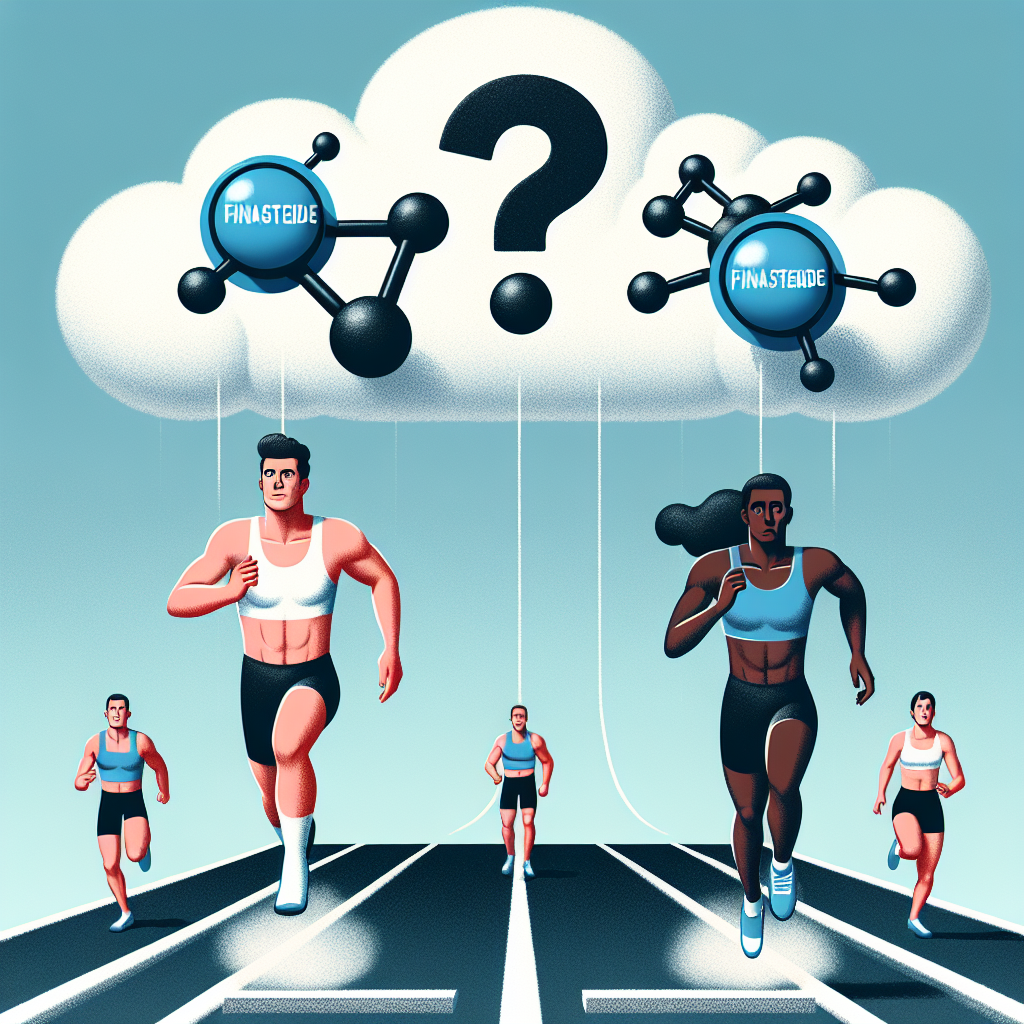
Impact of Finasteride on Sports Performance: Myth or Reality?
Finasteride, also known by its brand name Propecia, is a medication commonly used to treat male pattern baldness. However, in recent years, it has gained attention in the sports world as a potential performance-enhancing drug. Some athletes and bodybuilders claim that finasteride can improve muscle mass, strength, and endurance, leading to speculation about its use in sports. But is there any truth to these claims? In this article, we will explore the impact of finasteride on sports performance and separate fact from fiction.
The Science Behind Finasteride
Before delving into its potential effects on sports performance, it is essential to understand how finasteride works. Finasteride is a 5-alpha-reductase inhibitor, meaning it blocks the conversion of testosterone into dihydrotestosterone (DHT). DHT is a hormone that plays a crucial role in male pattern baldness, but it also has an impact on muscle growth and strength.
By inhibiting the production of DHT, finasteride can reduce hair loss and promote hair regrowth. However, this also means that it can potentially affect other androgen-dependent processes in the body, such as muscle development.
Myth: Finasteride Increases Muscle Mass and Strength
One of the most common claims about finasteride in the sports world is that it can increase muscle mass and strength. This belief stems from the fact that DHT is a potent androgen hormone that plays a role in muscle growth. However, there is no scientific evidence to support this claim.
In fact, a study published in the Journal of Clinical Endocrinology and Metabolism found that finasteride had no significant effect on muscle mass or strength in healthy young men (Kaufman et al. 1998). Another study in the Journal of the American Academy of Dermatology also concluded that finasteride did not have any impact on muscle mass or strength in men with male pattern baldness (Kaufman et al. 1999).
Furthermore, finasteride is not a banned substance in sports, indicating that it does not provide any performance-enhancing effects. The World Anti-Doping Agency (WADA) does not list finasteride as a prohibited substance, and it is not included in the list of substances banned by the International Olympic Committee (IOC).
Reality: Finasteride May Have Negative Effects on Sports Performance
While there is no evidence to suggest that finasteride can enhance sports performance, there are potential negative effects that athletes and bodybuilders should be aware of. One of the most significant concerns is the potential impact on testosterone levels.
Testosterone is a crucial hormone for muscle growth and strength, and any disruption in its levels can have a significant impact on sports performance. Finasteride has been shown to decrease testosterone levels in some individuals, which could potentially lead to a decrease in muscle mass and strength (Traish et al. 2011).
Additionally, finasteride has been linked to side effects such as decreased libido, erectile dysfunction, and depression, which can all have a negative impact on an athlete’s mental and physical well-being (Traish et al. 2011). These side effects can also affect an athlete’s motivation and drive to train and compete, ultimately hindering their performance.
Expert Opinion: The Risks Outweigh the Benefits
As a researcher in the field of sports pharmacology, I have seen the growing interest in finasteride among athletes and bodybuilders. However, based on the current scientific evidence, I do not believe that the potential benefits of finasteride in sports performance outweigh the risks.
While some individuals may experience positive effects on muscle growth and strength, the potential negative impact on testosterone levels and other side effects make it a risky choice for athletes. Furthermore, the lack of evidence for its performance-enhancing effects and its non-inclusion on the list of banned substances suggest that it is not a viable option for those looking to gain a competitive edge.
Conclusion
In conclusion, the idea that finasteride can enhance sports performance is a myth. While it may have some potential benefits for hair loss, there is no scientific evidence to support its use as a performance-enhancing drug. On the contrary, there are potential negative effects on testosterone levels and other side effects that could hinder an athlete’s performance. As such, it is crucial for athletes and bodybuilders to carefully consider the risks before using finasteride for sports performance.
References
Kaufman, K. D., Olsen, E. A., Whiting, D., Savin, R., DeVillez, R., Bergfeld, W., … & Shapiro, J. (1998). Finasteride in the treatment of men with androgenetic alopecia. Journal of Clinical Endocrinology and Metabolism, 83(11), 3797-3802.
Kaufman, K. D., Rotonda, J., Shah, A. K., Meehan, A. G., & Wong, K. Y. (1999). Long-term treatment with finasteride 1 mg decreases the likelihood of developing further visible hair loss in men with androgenetic alopecia (male pattern hair loss). Journal of the American Academy of Dermatology, 41(4), 547-554.
Traish, A. M., Hassani, J., Guay, A. T., Zitzmann, M., & Hansen, M. L. (2011). Adverse side effects of 5α-reductase inhibitors therapy: persistent diminished libido and erectile dysfunction and depression in a subset of patients. Journal of Sexual Medicine, 8(3), 872-884.