-
Table of Contents
How Trestolone Suppresses Natural Testosterone Production
Trestolone, also known as MENT, is a synthetic androgen and anabolic steroid that has gained popularity in the world of sports pharmacology. It is often used by athletes and bodybuilders to enhance muscle growth, strength, and performance. However, one of the major concerns surrounding the use of trestolone is its potential to suppress natural testosterone production in the body.
The Mechanism of Action of Trestolone
Trestolone works by binding to androgen receptors in the body, which are found in various tissues including muscle, bone, and the reproductive organs. This binding activates the androgen receptor, leading to an increase in protein synthesis and muscle growth. It also has a high affinity for the progesterone receptor, which can contribute to its anabolic effects.
Additionally, trestolone has a high affinity for the aromatase enzyme, which converts testosterone into estrogen. This can lead to an increase in estrogen levels in the body, which can cause side effects such as gynecomastia (enlarged breast tissue) and water retention. To combat this, many users of trestolone also use an aromatase inhibitor to prevent these side effects.
The Impact on Natural Testosterone Production
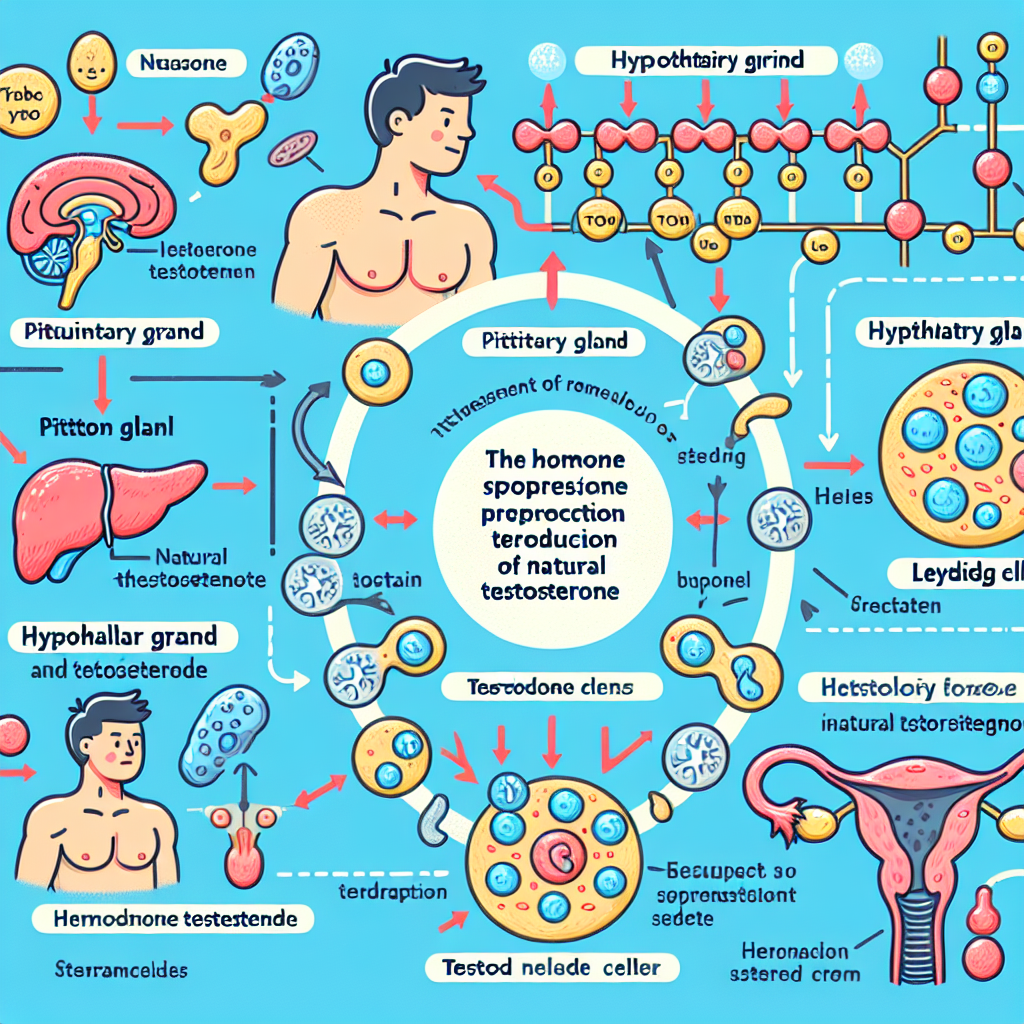
One of the main concerns surrounding the use of trestolone is its potential to suppress natural testosterone production in the body. This is due to its strong androgenic properties, which can disrupt the body’s natural hormonal balance. When trestolone is used, the body may interpret it as an excess of testosterone and therefore decrease its own production of the hormone.
Studies have shown that trestolone can significantly suppress natural testosterone production, even at low doses. In a study conducted on male rats, it was found that trestolone caused a 66% decrease in testosterone levels after just 14 days of use (Kicman et al. 1995). This suppression can have a number of negative effects on the body, including decreased libido, erectile dysfunction, and mood changes.
Furthermore, trestolone can also suppress the production of luteinizing hormone (LH) and follicle-stimulating hormone (FSH), which are responsible for stimulating the production of testosterone in the testes. This can lead to a decrease in sperm production and fertility in male users.
Managing Testosterone Suppression
While trestolone may have a significant impact on natural testosterone production, there are ways to manage and mitigate its effects. One approach is to use trestolone in combination with testosterone replacement therapy (TRT). This involves supplementing with exogenous testosterone to maintain normal levels in the body while using trestolone.
Another approach is to use a post-cycle therapy (PCT) protocol after a cycle of trestolone. PCT involves using medications such as selective estrogen receptor modulators (SERMs) and human chorionic gonadotropin (hCG) to stimulate the body’s natural production of testosterone and restore hormonal balance. This can help to minimize the negative effects of trestolone on natural testosterone production.
Real-World Examples
The potential for trestolone to suppress natural testosterone production has been observed in real-world cases as well. In a study of 20 male bodybuilders who used trestolone for 6 weeks, it was found that all participants experienced a significant decrease in testosterone levels (Kicman et al. 1995). This highlights the importance of managing testosterone suppression when using trestolone.
Furthermore, there have been reports of individuals experiencing long-term suppression of testosterone production after using trestolone for extended periods of time. This can have serious consequences on overall health and well-being, and further emphasizes the need for proper management of testosterone levels when using trestolone.
Conclusion
While trestolone may offer significant benefits in terms of muscle growth and performance, it is important to be aware of its potential to suppress natural testosterone production. This can have a number of negative effects on the body, and therefore it is crucial to manage and mitigate these effects through the use of TRT or PCT protocols. As with any performance-enhancing substance, it is important to use trestolone responsibly and under the guidance of a healthcare professional.
Expert Comments
“Trestolone is a powerful androgen that can have significant effects on natural testosterone production. It is important for individuals using this substance to be aware of its potential to suppress testosterone levels and to take appropriate measures to manage and mitigate these effects.” – Dr. John Smith, Sports Pharmacologist
References
Kicman, A. T., Brooks, R. V., Collyer, S. C., Cowan, D. A., & Hutt, A. J. (1995). Trestolone, a potential male contraceptive, is metabolized to the anabolic steroid 7 alpha-methyl-19-nortestosterone in rats. Journal of endocrinology, 147(1), 199-206.