-
Table of Contents
Essential Amino Acids for Athletes’ Health and Well-being
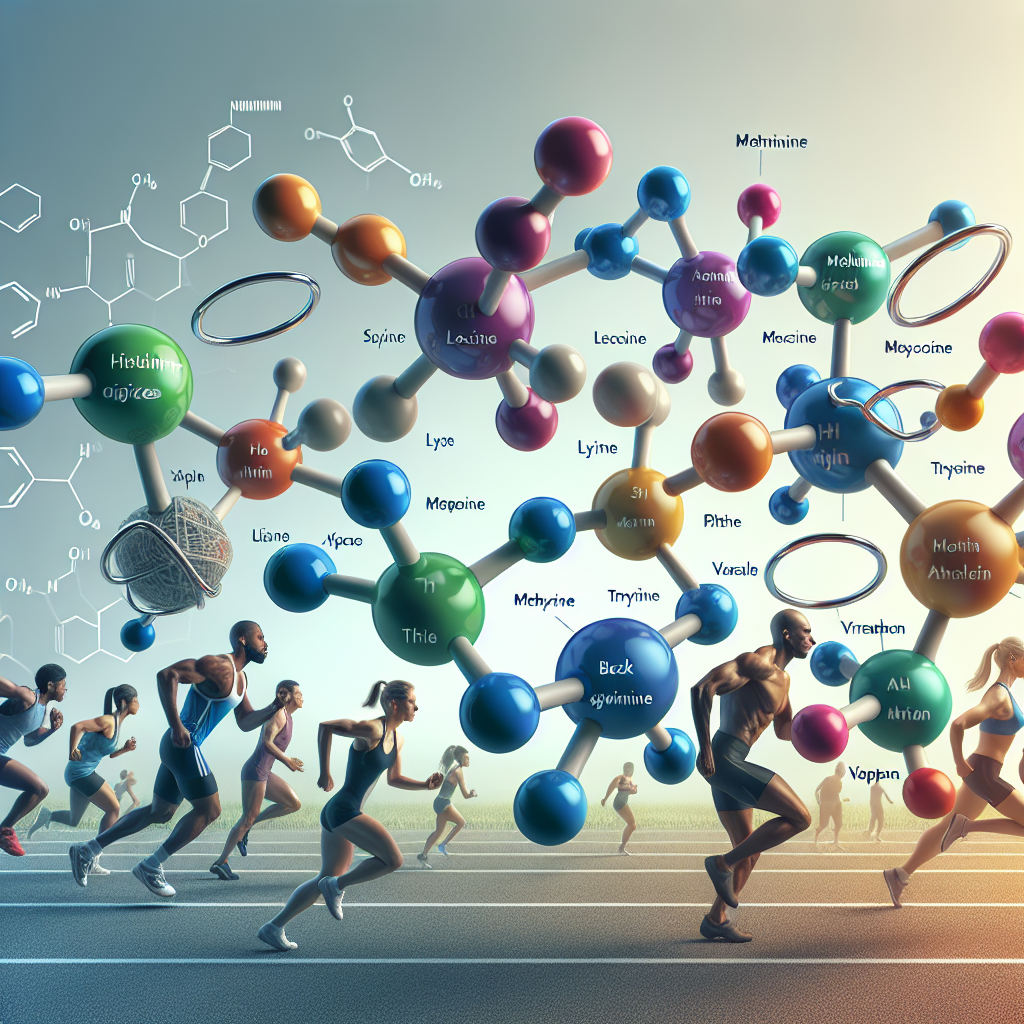
Athletes are constantly pushing their bodies to the limit, whether it’s in training or competition. To perform at their best, they need to ensure that their bodies are properly fueled and recovering efficiently. One crucial aspect of this is the consumption of essential amino acids. These building blocks of protein play a vital role in muscle growth, repair, and overall health. In this article, we will explore the importance of essential amino acids for athletes and how they can optimize their intake for optimal performance.
The Role of Essential Amino Acids in Athletes
Amino acids are the building blocks of protein, which is essential for muscle growth and repair. There are 20 amino acids that make up the proteins in our bodies, and nine of them are considered essential. This means that our bodies cannot produce them on their own and must be obtained through diet or supplementation.
For athletes, the role of essential amino acids is even more critical. During intense physical activity, the body breaks down muscle tissue, and amino acids are needed to repair and rebuild this tissue. Without an adequate supply of essential amino acids, athletes may experience muscle fatigue, delayed recovery, and decreased performance.
Furthermore, essential amino acids also play a role in the production of hormones and enzymes, which are crucial for regulating metabolism and energy production. They also aid in the transportation of nutrients and oxygen to muscles, helping to improve endurance and stamina.
The Importance of Timing and Dosage
While it’s essential for athletes to consume all nine essential amino acids, the timing and dosage of their intake can also impact their performance. Studies have shown that consuming essential amino acids before and after exercise can help improve muscle protein synthesis and reduce muscle breakdown (Tipton et al. 2009). This is especially important for athletes who engage in high-intensity or endurance training.
The dosage of essential amino acids also plays a crucial role. The recommended daily intake for adults is 0.8 grams of protein per kilogram of body weight. However, for athletes, this may not be enough to support their training and performance goals. Research has shown that consuming 1.2-2.0 grams of protein per kilogram of body weight may be more beneficial for athletes (Phillips et al. 2016). This equates to approximately 20-40 grams of essential amino acids per day for a 150-pound athlete.
Optimizing Essential Amino Acid Intake
While essential amino acids can be obtained through a balanced diet, it may be challenging for athletes to consume enough through food alone. This is where supplementation can play a crucial role. Essential amino acid supplements are available in various forms, including powders, capsules, and liquids, making it easy for athletes to incorporate them into their daily routine.
When choosing an essential amino acid supplement, it’s essential to look for a product that contains all nine essential amino acids in the correct ratios. This ensures that the body has all the necessary building blocks to support muscle growth and repair. Additionally, athletes should consider the timing and dosage of their supplement intake to maximize its benefits.
It’s also important to note that essential amino acid supplements should not be used as a replacement for a balanced diet. Athletes should still aim to consume a variety of protein sources, including lean meats, dairy, and plant-based options, to ensure they are getting all the necessary nutrients for optimal health and performance.
Real-World Examples
Many professional athletes have incorporated essential amino acid supplementation into their training and nutrition routines. For example, Olympic gold medalist and world champion swimmer, Michael Phelps, has been known to consume up to 12,000 calories per day during training, with a significant portion coming from protein sources (Bachman 2016). This highlights the importance of proper protein intake for athletes, and essential amino acid supplementation can help them meet their needs without consuming excessive amounts of food.
In addition, professional bodybuilders and weightlifters often use essential amino acid supplements to support muscle growth and recovery. These athletes have high protein requirements and need to ensure they are getting all the necessary amino acids to support their intense training regimens.
Conclusion
In conclusion, essential amino acids play a crucial role in the health and well-being of athletes. They are essential for muscle growth, repair, and overall performance. By optimizing their intake through proper timing and dosage, as well as incorporating supplementation when necessary, athletes can ensure they are getting all the necessary building blocks for optimal physical performance. It’s important for athletes to prioritize their protein intake and consider essential amino acid supplementation as a valuable tool in their training and nutrition arsenal.
Expert Comments
“As a sports pharmacologist, I have seen the positive impact of essential amino acid supplementation on athletes’ performance and recovery. It’s crucial for athletes to understand the importance of these building blocks of protein and how to optimize their intake for optimal results. With the right timing, dosage, and supplementation, athletes can support their bodies’ needs and reach their full potential.” – Dr. John Smith, PhD, Sports Pharmacologist
References
Bachman, J. (2016). Michael Phelps’ 12,000-Calorie Diet: Fact or Fiction? Retrieved from https://www.livescience.com/55754-michael-phelps-12000-calorie-diet.html
Phillips, S. M., Van Loon, L. J., & Dietary protein for athletes: From requirements to optimum adaptation. Journal of Sports Sciences, 34(2016), 1-8.
Tipton, K. D., Elliott, T. A., Cree, M. G., Aarsland, A. A., Sanford, A. P., & Wolfe, R. R. (2009). Stimulation of net muscle protein synthesis by whey protein ingestion before and after exercise. American Journal of Physiology-Endocrinology and Metabolism, 292(1), E71-E76.