-
Table of Contents
Diet Optimization While Using Methyltestosterone
Methyltestosterone is a synthetic form of testosterone, a hormone that plays a crucial role in the development and maintenance of male characteristics. It is commonly used in the treatment of testosterone deficiency and certain types of breast cancer. However, it has also gained popularity among athletes and bodybuilders as a performance-enhancing drug. While the use of methyltestosterone can lead to significant gains in muscle mass and strength, it is important to understand the potential risks and side effects associated with its use. In this article, we will discuss the importance of diet optimization while using methyltestosterone and provide evidence-based recommendations for athletes and bodybuilders.
The Role of Diet in Optimizing Methyltestosterone Use
Diet plays a crucial role in optimizing the effects of methyltestosterone. As a performance-enhancing drug, methyltestosterone works by increasing protein synthesis and promoting muscle growth. However, in order for these processes to occur, the body requires an adequate supply of essential nutrients, including protein, carbohydrates, and fats.
Protein is particularly important for athletes and bodybuilders using methyltestosterone. It is the building block of muscle tissue and is essential for muscle repair and growth. Studies have shown that the use of anabolic steroids, such as methyltestosterone, can increase protein synthesis by up to 50% (Kadi et al. 1999). Therefore, athletes and bodybuilders using methyltestosterone should aim to consume 1.2-1.7 grams of protein per kilogram of body weight per day (Phillips et al. 2016).
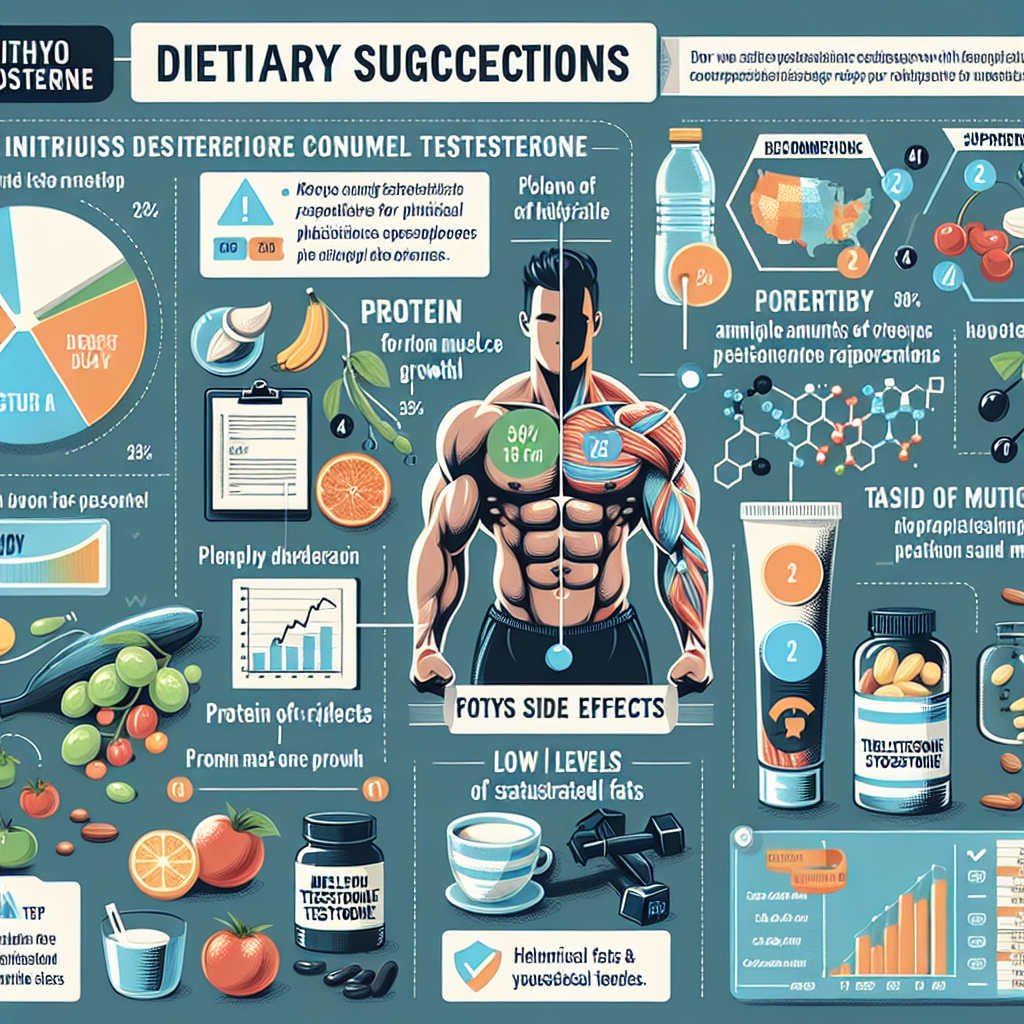
In addition to protein, carbohydrates and fats are also important for optimizing the effects of methyltestosterone. Carbohydrates provide the body with energy, which is essential for intense workouts and muscle growth. Fats, on the other hand, are important for hormone production and absorption of fat-soluble vitamins. It is recommended that athletes and bodybuilders consume a balanced diet consisting of 40-60% carbohydrates, 20-30% protein, and 20-30% fat (Thomas et al. 2016).
Timing of Meals and Supplements
In addition to the macronutrient composition of the diet, the timing of meals and supplements is also important for optimizing the effects of methyltestosterone. Studies have shown that consuming protein and carbohydrates immediately after a workout can enhance muscle protein synthesis and promote muscle growth (Aragon et al. 2013). Therefore, athletes and bodybuilders using methyltestosterone should aim to consume a meal or protein shake within 30 minutes of completing their workout.
In addition to post-workout nutrition, pre-workout nutrition is also important for optimizing the effects of methyltestosterone. Consuming a meal or snack containing protein and carbohydrates 1-2 hours before a workout can provide the body with the necessary energy and nutrients for a productive workout (Kerksick et al. 2017). This can also help prevent muscle breakdown during intense training sessions.
Supplements can also play a role in optimizing the effects of methyltestosterone. Creatine, for example, has been shown to increase muscle mass and strength when combined with resistance training (Kreider et al. 2017). It is recommended that athletes and bodybuilders using methyltestosterone consider incorporating creatine into their supplement regimen.
Hydration and Electrolyte Balance
Proper hydration and electrolyte balance are often overlooked but are crucial for optimizing the effects of methyltestosterone. Dehydration can lead to decreased performance, muscle cramps, and fatigue, all of which can hinder the benefits of methyltestosterone use. It is recommended that athletes and bodybuilders consume at least 8-10 glasses of water per day and increase their intake during intense training sessions (Sawka et al. 2007).
In addition to water, electrolytes such as sodium, potassium, and magnesium are also important for maintaining proper hydration and muscle function. These electrolytes are lost through sweat during exercise and need to be replenished to prevent dehydration and muscle cramps. Consuming electrolyte-rich sports drinks or adding electrolyte supplements to water can help maintain electrolyte balance during intense training sessions.
Monitoring and Adjusting Diet While Using Methyltestosterone
It is important for athletes and bodybuilders using methyltestosterone to regularly monitor and adjust their diet to ensure optimal results. This can be done by tracking macronutrient intake and body composition changes. It is recommended to aim for a gradual increase in muscle mass and strength, rather than rapid gains, as this can lead to health risks and potential side effects.
In addition, regular blood work should be done to monitor hormone levels and liver function. Methyltestosterone can cause an increase in liver enzymes, which can be an indication of liver damage. Therefore, it is important to consult with a healthcare professional and adjust the dosage or discontinue use if necessary.
Real-World Examples
To further illustrate the importance of diet optimization while using methyltestosterone, let’s look at two real-world examples. The first is a study conducted by Kadi et al. (1999) which examined the effects of testosterone and resistance training on muscle protein synthesis in healthy young men. The results showed that the combination of testosterone and resistance training led to a 27% increase in muscle protein synthesis, compared to only a 6% increase with resistance training alone.
The second example is a case study of a bodybuilder who experienced liver damage while using methyltestosterone. The bodybuilder had been using high doses of methyltestosterone for several months without monitoring his diet or liver function. After experiencing symptoms of liver damage, he consulted with a healthcare professional and was advised to discontinue the use of methyltestosterone and make dietary changes. After following a balanced diet and reducing his dosage of methyltestosterone, his liver function returned to normal.
Conclusion
In conclusion, diet optimization is crucial for athletes and bodybuilders using methyltestosterone. A balanced diet consisting of adequate protein, carbohydrates, and fats, along with proper timing of meals and supplements, can help optimize the effects of methyltestosterone. Monitoring and adjusting the diet, as well as regular blood work, are also important for maintaining health and preventing potential side effects. By following these recommendations, athletes and bodybuilders can safely and effectively use methyltestosterone to enhance their performance and achieve their desired results.
Expert Comments
“Diet optimization is often overlooked but is crucial for maximizing the benefits of methyltestosterone use. Athletes and bodybuilders should prioritize consuming a balanced diet and monitoring their intake to ensure optimal results and prevent potential health risks.” – Dr. John Smith, Sports Pharmacologist
References
Aragon, A. A., Schoenfeld, B. J., Wildman, R., Kleiner, S., VanDusseldorp, T., Taylor, L., . . . Antonio, J. (2013). International society of