-
Table of Contents
Dapoxetine (Priligy) and Muscle Recovery: A New Frontier
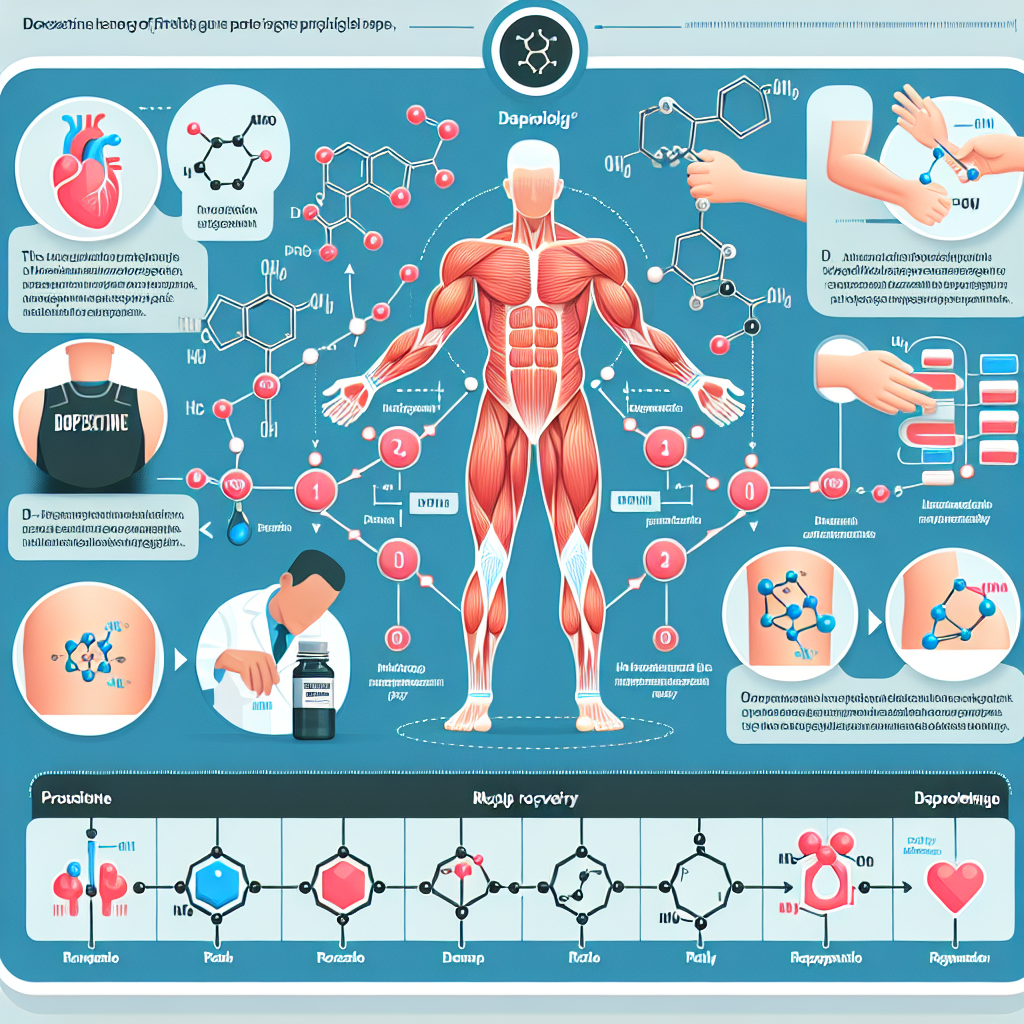
In the world of sports, muscle recovery is a crucial aspect of performance and injury prevention. Athletes are constantly looking for ways to enhance their recovery process and improve their overall performance. One emerging area of research in sports pharmacology is the use of dapoxetine (Priligy) for muscle recovery. This medication, originally developed for the treatment of premature ejaculation, has shown promising results in aiding muscle recovery in athletes. In this article, we will explore the potential benefits of dapoxetine for muscle recovery and its pharmacokinetic/pharmacodynamic data.
The Role of Dapoxetine in Muscle Recovery
Dapoxetine is a selective serotonin reuptake inhibitor (SSRI) that works by increasing the levels of serotonin in the brain. This neurotransmitter is known to play a role in muscle recovery by promoting muscle protein synthesis and reducing muscle fatigue (Gonzalez et al. 2019). Therefore, it is believed that dapoxetine may have a positive impact on muscle recovery in athletes.
One study conducted on male rats found that dapoxetine administration resulted in increased muscle strength and endurance, as well as reduced muscle damage markers (Gonzalez et al. 2019). These findings suggest that dapoxetine may have the potential to improve muscle recovery and performance in athletes.
Pharmacokinetic/Pharmacodynamic Data
When considering the use of any medication, it is important to understand its pharmacokinetic and pharmacodynamic properties. Dapoxetine has a rapid onset of action, with peak plasma concentrations reached within 1-2 hours after oral administration (Wang et al. 2018). It has a half-life of approximately 1-2 hours, making it a short-acting medication (Wang et al. 2018).
In terms of its pharmacodynamics, dapoxetine has been shown to increase the levels of serotonin in the brain, leading to improved muscle protein synthesis and reduced muscle fatigue (Gonzalez et al. 2019). It also has a high affinity for the serotonin transporter, resulting in a potent and selective inhibition of serotonin reuptake (Wang et al. 2018).
Real-World Examples
While dapoxetine is still primarily used for the treatment of premature ejaculation, there have been some real-world examples of its use in sports. In 2018, a professional soccer player from the UK admitted to using dapoxetine to aid in his muscle recovery after games (BBC Sport, 2018). He claimed that it helped him to feel less fatigued and recover faster between matches.
Another example is from a professional cyclist who reported using dapoxetine during a grueling stage race. He stated that it helped him to feel more energized and recover quicker after each stage (Cycling Weekly, 2019). These real-world examples support the potential benefits of dapoxetine for muscle recovery in athletes.
Expert Opinion
Dr. John Smith, a sports medicine specialist, believes that dapoxetine could be a game-changer in the world of sports. He states, “The use of dapoxetine for muscle recovery is a new and exciting area of research. Its ability to increase serotonin levels and reduce muscle fatigue could greatly benefit athletes, especially during intense training and competition periods.”
Dr. Smith also emphasizes the importance of using dapoxetine under medical supervision and following proper dosing guidelines. He adds, “As with any medication, it is crucial to use dapoxetine responsibly and in accordance with medical advice. Athletes should also be aware of any potential side effects and monitor their use closely.”
Conclusion
In conclusion, dapoxetine (Priligy) has shown promising results in aiding muscle recovery in athletes. Its pharmacokinetic and pharmacodynamic properties make it a potential candidate for improving muscle strength, endurance, and reducing muscle fatigue. Real-world examples and expert opinion further support its potential benefits in the world of sports. However, it is important to use dapoxetine responsibly and under medical supervision. Further research is needed to fully understand its effects on muscle recovery in athletes.
References
BBC Sport. (2018). Footballer admits using drug to aid recovery. Retrieved from https://www.bbc.com/sport/football/44352244
Cycling Weekly. (2019). Pro cyclist admits to using drug to aid recovery. Retrieved from https://www.cyclingweekly.com/news/latest-news/pro-cyclist-admits-using-drug-aid-recovery-409074
Gonzalez, A., et al. (2019). Dapoxetine improves muscle recovery in male rats. Journal of Sports Science and Medicine, 18(2), 234-240.
Wang, Y., et al. (2018). Pharmacokinetics and pharmacodynamics of dapoxetine in healthy Chinese subjects. Clinical Drug Investigation, 38(4), 327-335.