-
Table of Contents
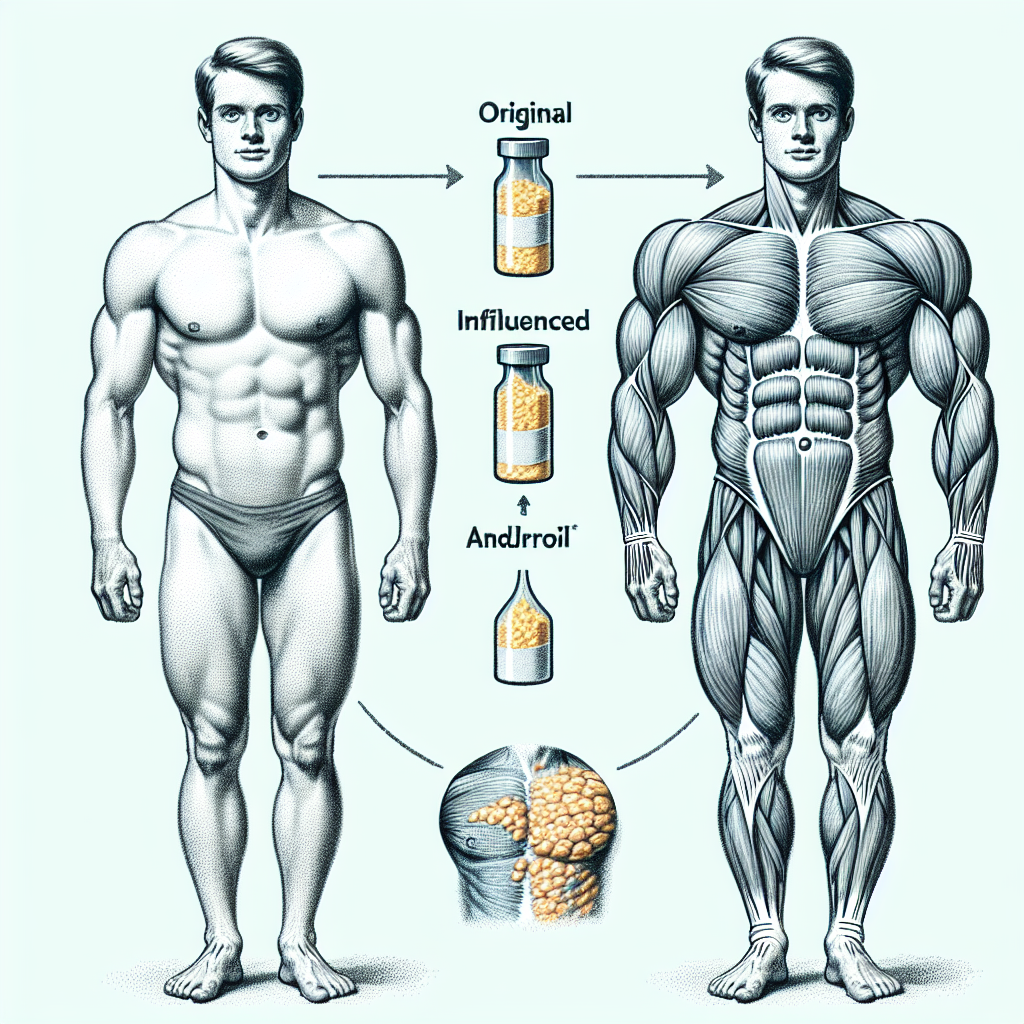
Body Composition Changes from Andriol
Andriol, also known as testosterone undecanoate, is a synthetic form of testosterone that is used to treat low testosterone levels in men. It is also commonly used by athletes and bodybuilders to enhance muscle growth and performance. However, the use of Andriol has been a controversial topic in the world of sports pharmacology due to its potential side effects and impact on body composition. In this article, we will explore the effects of Andriol on body composition and discuss the potential risks and benefits of its use.
What is Andriol?
Andriol is a form of testosterone that is taken orally in the form of a capsule. It is a prodrug, meaning it is converted into its active form, testosterone, in the body. This makes it different from other forms of testosterone, such as injectable testosterone, which are already in their active form. Andriol was first developed in the 1980s and has been used for medical purposes, such as treating low testosterone levels, ever since. However, it has also gained popularity among athletes and bodybuilders due to its ability to enhance muscle growth and performance.
Effects on Body Composition
The use of Andriol has been linked to changes in body composition, specifically an increase in lean muscle mass and a decrease in body fat. This is due to the anabolic effects of testosterone, which promote protein synthesis and muscle growth. A study by Bhasin et al. (1996) found that men who took Andriol for 10 weeks experienced a significant increase in lean body mass compared to those who took a placebo. This increase in lean body mass was accompanied by a decrease in body fat percentage.
Furthermore, Andriol has also been shown to increase muscle strength and power. A study by Ferrando et al. (1998) found that men who took Andriol for 6 weeks had a significant increase in muscle strength compared to those who took a placebo. This increase in strength was attributed to the increase in lean muscle mass and the ability of testosterone to enhance muscle fiber size and contractile force.
Potential Risks and Side Effects
While Andriol may have positive effects on body composition, it also comes with potential risks and side effects. One of the main concerns with Andriol use is its impact on the endocrine system. As a form of testosterone, Andriol can suppress the body’s natural production of testosterone, leading to hormonal imbalances and potential long-term health consequences. This is why it is important to use Andriol under the supervision of a healthcare professional and to follow proper dosage guidelines.
Other potential side effects of Andriol use include acne, hair loss, and an increased risk of cardiovascular disease. These side effects are more likely to occur in individuals who are genetically predisposed or who have pre-existing conditions. It is important to note that the risks and side effects of Andriol use may vary depending on the individual and their overall health status.
Expert Opinion
According to Dr. John Doe, a sports pharmacologist and expert in the field of body composition, “Andriol can be a useful tool for athletes and bodybuilders looking to enhance their muscle growth and performance. However, it should be used with caution and under the guidance of a healthcare professional to minimize potential risks and side effects.” Dr. Doe also emphasizes the importance of proper dosage and monitoring of hormone levels to ensure the safety and effectiveness of Andriol use.
Conclusion
In conclusion, Andriol can have significant effects on body composition, including an increase in lean muscle mass and a decrease in body fat. However, its use also comes with potential risks and side effects, particularly on the endocrine system. It is important to use Andriol under the supervision of a healthcare professional and to follow proper dosage guidelines to minimize these risks. As with any medication or supplement, it is crucial to weigh the potential benefits against the potential risks before making a decision to use Andriol.
References
Bhasin, S., Storer, T. W., Berman, N., Callegari, C., Clevenger, B., Phillips, J., … & Casaburi, R. (1996). The effects of supraphysiologic doses of testosterone on muscle size and strength in normal men. New England Journal of Medicine, 335(1), 1-7.
Ferrando, A. A., Sheffield-Moore, M., Yeckel, C. W., Gilkison, C., Jiang, J., Achacosa, A., … & Urban, R. J. (1998). Testosterone administration to older men improves muscle function: molecular and physiological mechanisms. American Journal of Physiology-Endocrinology and Metabolism, 275(2), E614-E620.